





Arrowpoint Properties Adds Lawrence Complex in $30M Trade
Arrowpoint Properties expanded its portfolio in the city with Greater Boston’s fastest growing apartment rents, acquiring a 17-year-old rental complex in Lawrence.
Arrowpoint Properties expanded its portfolio in the city with Greater Boston’s fastest growing apartment rents, acquiring a 17-year-old rental complex in Lawrence.

Greater Boston’s apartment market has the highest rent increases among the 30 largest metro areas in the U.S., reflecting increases in both the high-end and “rent-by-necessity” categories.

Apartment rents in Greater Boston rose the fastest of the 51 largest U.S. metros during the past six months, with rapid acceleration in suburban markets such as Medford, Norwood and Woburn.

An analysis of Census Bureau data shows that 45 percent of Millennials in Greater Boston now own homes, but separate studies released in recent days suggest that the remaining 55 percent of area Millennials face a steeper path to ownership than their peers.

In contrast to other high-priced coastal metros, Greater Boston’s larger multifamily buildings remain immune to relief from continuing apartment rent increases heading into the spring market.
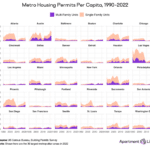
A new report from Apartment List researchers shows the dramatic disparity between housing production in Greater Boston and other parts of the country often touted as the region’s chief competition for residents and talent.

Northeastern’s attempt to rent hundreds of rooms in the Sheraton Boston can make a difference reducing pressure on working families’ rents by taking students out of the market. Then why aren’t NEU students supporting it?
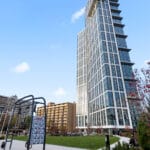
Apartment rents have blasted past pre-COVID levels in Greater Boston as demand returned to both downtown and suburban markets while the new supply pipeline declined.

Boston rents may be rebounding as college students return to the city, but the effective cost of housing is rising more than twice as fast, according to a new report.

Census data confirms anecdotal evidence from real estate agents statewide: Significant numbers of Greater Boston workers chose longer commutes over more expensive housing closer to the urban core.

It’s still a renter’s market for luxury apartments in Boston, but it doesn’t look like that’s going to last much longer after five straight months of rent increases

Greater Boston grew its housing stock at by 6.2 percent over the last 10 years, according to new Census Bureau data analyzed by apartment rentals website Apartment List, but it wasn’t nearly enough to accommodate job growth over the same time period.

The sudden plunge in rents amid these students’ exodus has nonetheless provided a vivid illustration as to just how much our local universities distort the local rental market.

Boston rents have dropped 2 percent since the COVID-19 pandemic hit in March, and August rents are down over 3 percent year-over-year, a new report from Apartment List shows.

Apartment rents in Greater Boston rose another 3.6 percent during 2019 and the region remains one of the top U.S. destinations for transplants, according to a pair of industry reports.

A new survey by Apartment List has found that almost 40 percent of Boston’s Millennials say they could afford a 5 percent down payment on a median-priced home in the next five years.
Nearly one in four Boston renters spend more than 30 percent of their income on housing costs, according to a new report from Apartment List.

Greater Boston’s position as one of the priciest rental markets in the U.S. appears secure, even as developers add more than 5,000 new apartments to the local inventory this year.

New projections from the Boston Planning & Development Agency predict Boston will gain almost 60,000 new residents by 2030.
One in every 12 Boston-area renters, possibly priced out of their current units, are taking an active interest in Providence, Rhode Island and Worcester, according to new data from Apartment List.

