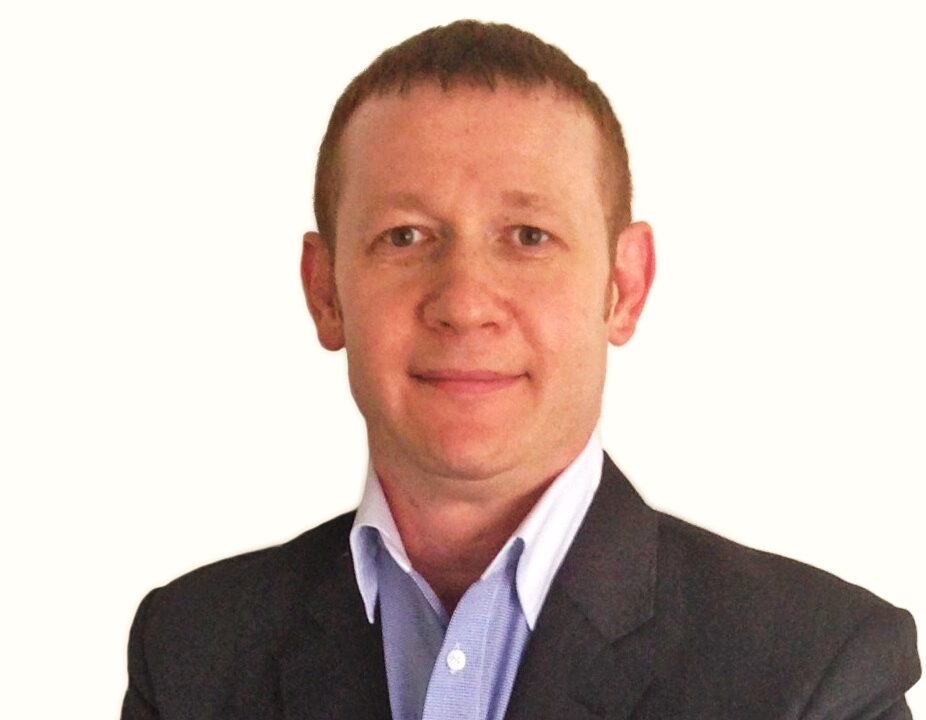
Photo courtesy of Helge Capital
Oleg Uritsky
Founder and CEO, Helge Capital
Age: 53
Industry experience: 30 years
A flexible investment strategy has fueled the growth of Helge Capital, a Waltham real estate firm that owns and develops multifamily housing in Boston and the inner suburbs. Founder Oleg Uritsky began investing in small real estate properties after emigrating from Russia to the Boston area at age 19, and now owns approximately 1,000 apartments in the region. Uritsky’s company has approval to redevelop a trailer park in Revere as a 250-unit apartment complex, a project that’s been delayed by the difficult development financing climate. Helge Capital recently submitted the high bid to acquire the Water’s Edge apartment towers across from Revere Beach, which are currently under bankruptcy protection, in a transaction that is subject to court approval.
Q: Are you focusing on development or acquisitions in the current market?
A: Prices move in tandem for development and existing assets, but it also depends upon your risk appetite and that’s where the strategy comes into play. Development is always a much riskier enterprise. The reward has to be higher for that kind of risk. And you do have to have an appetite for that kind of risk. That informs strategy.
We haven’t acquired anything this year, but are concentrating on improving what we own. When the economy is going down and the universities are not getting as many students as they projected, housing around the universities is vacant or not filled as much as they would be otherwise. And that puts pressure on rents. And people have more choices, so now we are saying we want to concentrate on keeping the existing tenants as much as we can, and not raise rents.
When tenants move, it costs money when you turn an apartment over. We are concentrating on capital improvements in our existing assets so that tenants feel their housing is better, so they don’t move out. It’s building systems, cosmetics, deferred maintenance. Amenity space is less important in this environment, because people are more price-sensitive. Tenant retention becomes critical.
Q: What’s your prediction for rent movement in 2026?
A: Rents are going to be flat, or maybe a very modest increase. Boston is a very student-oriented place, and many students stay in the Boston area to live, at least for a few years. If you don’t have more students coming in, you have fewer students that stay after graduation. It’s more difficult to get visas right now, and many opportunities are somewhere else.
Q: What effects do Massachusetts eviction laws have on landlords and the overall rental market?
A: It does affect companies, and especially the smaller landlords. We have problems verifying people. Greystar said that 50 percent of their applications [in some markets] are fraud. In our case, it’s maybe 20 percent. But you imagine if smaller landlords with a triple-decker or four units get even one person that he or she cannot get out for the next nine or 12 months, it’s devastating. It can bring a person to bankruptcy and we see this left and right, that people have to spend additional money just to pay the people to go away. “Professional tenants” are not a new concept. If someone didn’t run the credit report, if they didn’t search the internet, then shame on you. But now the Legislature legalized professional tenants, because evictions are sealed. They may have screwed five landlords in the past. A company of my size will be able to sustain the damage, but imagine smaller landlords with a triple-decker.
Q: What types of fraud do you see most often?
A: I can talk on this for hours. We’ve had three recent cases in our buildings. Two people stole identities, or they purchased a driver’s license, Social Security number, pay stubs – the entire package. Everything is fraudulent, and they used those documents to get approval. It’s very difficult to detect. Eventually we got them out, but it takes nine months on average. It can take even longer. You have no idea who the person is, so how are you going to file for eviction? You are going to file on a stolen identity document, so that person whose identity was stolen is going to have a record of eviction, so that’s not going to help that person either. The normal cases we see left and right all the time. They forge pay stubs, they forge bank records, they forge their references, and they do not disclose evictions. But now this has been legalized, because you can’t look them up in the court filings. The Legislature legalized “professional tenants.”
Q: What other changes should Massachusetts officials consider to stimulate housing production?
A: Chapter 40B is the right tool and definitely communities served by the MBTA have to serve the better good. There has to be multifamily near the train stations. That is just common sense. There have to be bigger developments within walking distance from the stations. But many communities are against it.
Q: What’s the status of your development at 418 Revere Beach Parkway, the 250-unit apartment project at the former Lee’s Trailer Park?
A: The way the economy is, we just decided to wait. For us, it’s difficult because we are not as big as other companies, and our risk appetite is much lower. We are estimating the cost at over $100 million. We dismantled the trailer park first. The police cruisers were over there every day. It was riddled with crime: drugs, prostitution, weapons, needles everywhere. When we purchased this, the city was super excited. That land consumed so much of the city’s resources. There is nothing wrong with a trailer park: It’s how you run it. This particular trailer park that we purchased, I think, nobody should be living there, or should have lived there for the past 10 years. It’s just a rundown place.
Uritsky’s Five Favorite Go-To Desk Books
- “Extreme Ownership” by Jocko Willink
- “Never Split the Difference” by Chris Voss
- “The Power Broker” by Robert Caro.
- “Atlas Shrugged” by Ayn Rand
- “The Whole-Brain Child” by Daniel Siegel