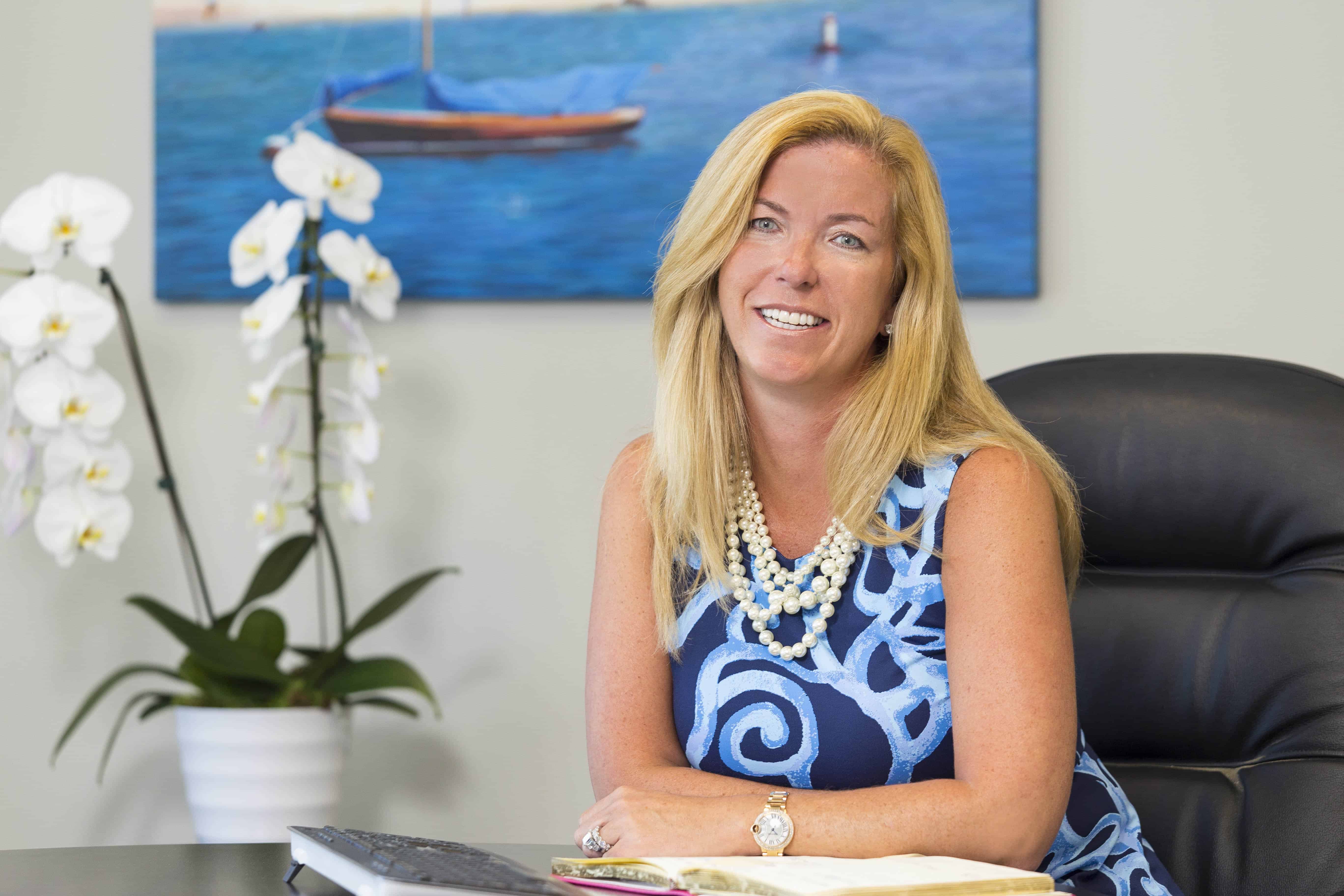
Melissa Fish-Crane
Principal and chief operating officer, Peabody Properties
Age: 49
Industry experience: 26 years
Apartment property managers navigated unchartered waters during the past year as the pandemic disrupted elements of the business from leasing procedures to cleaning protocols. As the industry returns to a more normal atmosphere, Melissa Fish-Crane has a new leadership role in advising area management companies on best practices. This spring, Fish-Crane was named the 2021 president of the Institute of Real Estate Management’s (IREM) largest chapter, the Quincy-based Boston Metropolitan Chapter No. 4. Fish-Crane has a day-to-day perspective on the recovery in her role as chief operating officer of Braintree-based Peabody Properties, which manages more than 13,000 apartments on the East Coast and has 600 employees. Her father Ed Fish founded the firm, which is led by her sister, CEO Karen Fish-Will.
Q: How have the responsibilities of property managers changed during the past 15 months?
A: Technology has played a huge role in the business. We really had to be creative in leasing and the way we were marketing our communities. We utilized a lot of platforms. Some were more successful than others, but overall, it worked well. There was talk that people wanted to get out of the cities. Obviously, our urban market got hit hard, but we’ve seen a rebound in the last [six weeks] and we’re hopeful. Our suburban portfolio was able to sustain itself.
Q: How have the suburban and urban sides of Peabody’s portfolio performed as far as rents and occupancy?
A: In our urban portfolio, things are starting to stabilize a little bit and occupancy is starting to increase. We’re starting to increase our rents. People are having more confidence going back into the city. You’re seeing traffic increase, and there’s more vibrancy. Concessions are dropping off.
Q: Are the terms of management contracts changing to reflect effects of COVID and the potential of future health emergencies?
A: Because of COVID, we’re focusing more on the reopening of our properties, and the next endeavor is to take a look at our contracts and where we can make improvements. The short answer is we haven’t gotten there, but we’re starting to think about this. With the overhead costs that have been created, we’re just making sure it’s clear and concise what the expectations are, and what the demands are for the cleaning protocols and outsourcing to third parties when it comes to that.
Q: What does Peabody have planned for sustainability upgrades to properties?
A: Peabody to date has done $20 million in energy retrofits which translates to $2 million in annual property savings. That’s something we’re constantly taking a look at for our own properties, as well as our clients’. We use a platform called WegoWise, and that’s a great tool for us. We have a lot of relationships with organizations and programs through the state of Massachusetts, building relationships and going after grants.
Q: Where are Peabody Properties’ growth opportunities?
A: Our business is based upon word-of-mouth and reputation. The growth opportunities for us are when management contracts come up and a client decides to do an RFP, or if there’s a new investor who’s new to this geographic area. We’re a Massachusetts-based organization and our footprint is in New England and New Jersey and Florida, but the majority of our properties are in New England. We have a lot of economies of scale.
Q: What was your introduction to real estate as a career?
A: I worked in the summer for Peabody Properties when I was 14 as an intern, doing office work and anything that needed to get done. Growing up in the family business, I was very familiar with this field of work and always knew early on this was something I really wanted to do and make a difference in peoples’ lives.
Q: What are your goals for your leadership of the IREM Boston chapter this year?
A: IREM Boston will leverage its foundation, code of ethics, best practices and reputation to build a future of sustained success. We’re working to attract local real estate management professionals, and create a pipeline for sustained membership, engagement and growth.
Q: What are the organization’s diversity, equity and inclusion strategies?
A: It’s always been a core IREM value, but we have more work to do. Our efforts are aided greatly by Kimberly Parker, chair of our DEI committee and a senior property manager for the Abrams Management Co. Kim said that when she came to her first meeting of the Boston chapter, she found the experience nerve-racking, but now says that joining IREM was life-changing. Her committee started attending career fairs and visiting community colleges and high schools to talk to students about a career in property management. This committee of three recruited countless minorities into the field and recruited some of the chapter’s members to support the cause and join the DEI committee. Her efforts began to receive national attention. Kim served as vice chair of the national diversity advisory board for IREM last year.
Fish-Crane’s Five Favorite Places to Visit Post-COVID:
- Charleston, South Carolina
- Nashville, Tennessee
- Toronto
- Nova Scotia
- Africa