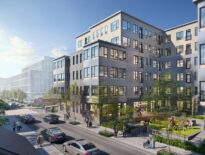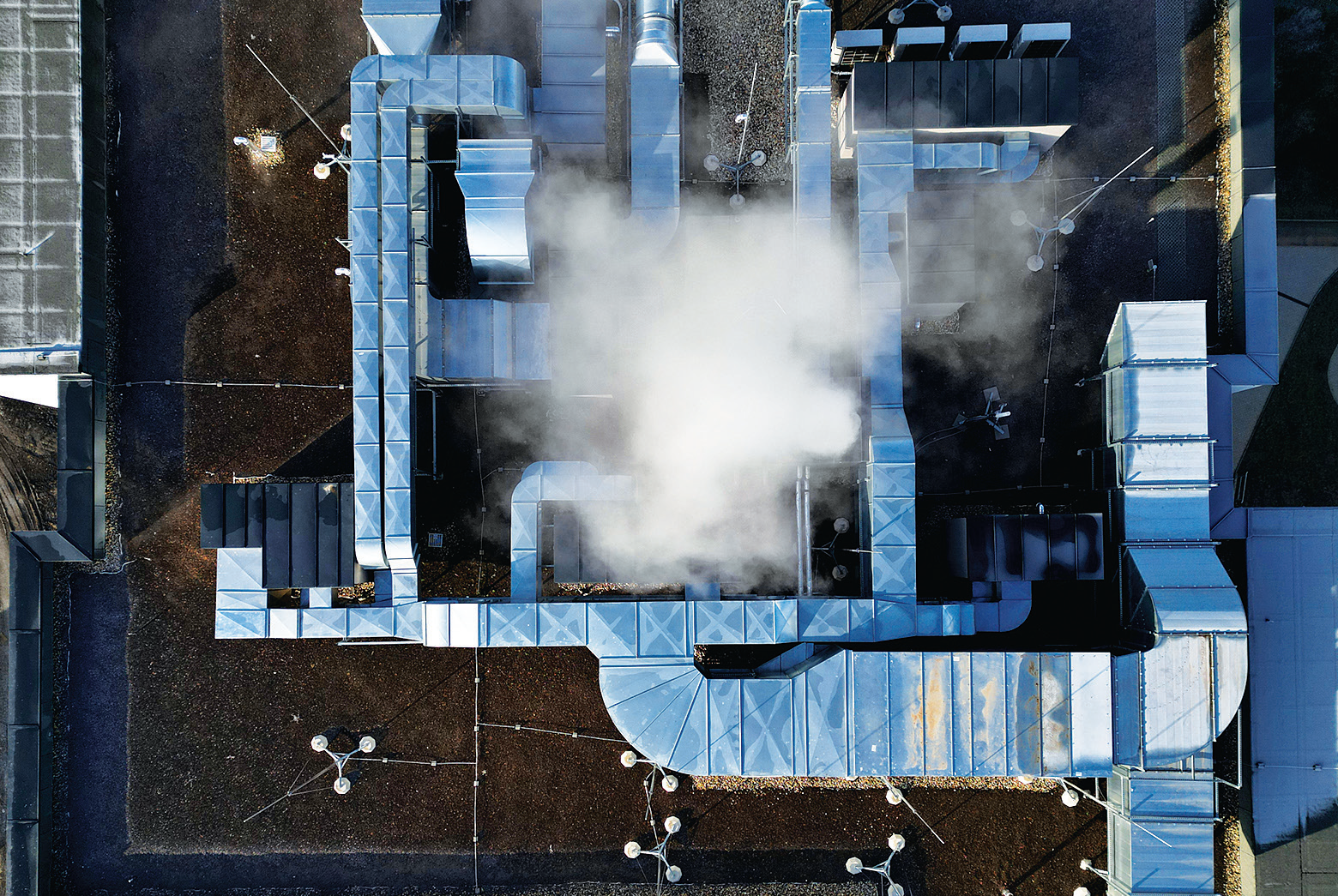
Boston’s building emissions-control law adds new requirements for larger buildings to start lowering their emissions – an area where HVAC systems are a major contributor. iStock photo
Massachusetts continues to lead the nation in energy efficiency and forward-thinking building codes, setting a precedent for sustainable development.
With aggressive decarbonization targets and landmark policies like Boston’s Building Emissions Reduction Disclosure Ordinance (BERDO) reshaping expectations, the commonwealth is laying the foundation for a low-carbon future.
Yet, even as building performance standards rise, energy demand is still increasing. The rapid electrification of transportation, infrastructure and building systems is pushing more load onto an already strained grid. More than half of North America is projected to face energy shortfalls in the next decade, and Massachusetts is no exception.
If we want to maintain momentum on climate goals, we must consider how and when building performance is integrated into the construction process, from early design through long-term operation. And, with developers under pressure to meet increasingly complex energy codes while navigating tighter timelines, labor shortages and rising costs, we have to find a way to do it without stalling development.
Buildings Are a Critical Lever
While newly constructed buildings are among the largest contributors to peak electricity demand, upgrading older buildings is just as critical.
From HVAC systems to hot water usage, energy-intensive operations in both commercial and residential buildings are a major driver of grid strain, particularly during extreme weather events like heat waves or extreme cold.
Cities like Boston require existing buildings to measure and improve energy performance. BERDO is pushing owners to conduct deep energy retrofits, prioritize envelope-first strategies and pursue system upgrades. Construction management teams can play a vital role in delivering on these mandates as enforcement continues to ramp up.
That’s why the built environment is one of the most immediate levers for progress.
Integrating high-performance systems, smart design and grid-aware strategies early in a project, and verifying the performance post-construction through robust commissioning, can help dramatically reduce long-term energy use and peak demand.
Strategies like early-stage energy modeling, performance-driven procurement and robust commissioning are essential to aligning building outcomes with energy resilience.
Construction as a Climate Partner
It is not uncommon for construction management teams to be brought in after major design and sustainability decisions have already been made. But the industry can and should be a strategic partner from the outset while remaining engaged throughout the building lifecycle.
When builders are involved earlier through delivery models like early contractor involvement or design-build, they bring insights that improve feasibility, cost control, and long-term energy performance. Construction managers’ responsibility for budget and execution puts them in a strong position to guide the implementation of energy systems that are practical to build and maintain.
Managing the full construction umbrella – from preconstruction through commissioning – enables a more streamlined approach.
We’ve seen this work in the field. On a major project in Florida, early energy modeling revealed system misalignments before construction began, allowing our team to guide better HVAC and envelope decisions that reduced peak demand and improved cost certainty.
But collaboration shouldn’t end at handoff. Our commissioning expertise, which is uniquely deep within Suffolk, allows us to stay engaged post-construction and support system performance well into operations.
On a recent university project in Connecticut, diagnostic tools helped the facilities team identify inefficiencies and fine-tune building performance — extending the impact of commissioning long after turnover.

Steven Burke
A Collaborative Way Forward
As building systems become more complex, the promise of technology grows.
AI is enabling faster front-end modeling and smarter back-end system management to offset inefficiencies and bridge the gap for an aging facilities workforce. These tools are evolving so that high-performance operations no longer need to be owned by a single party.
Builders, armed with the right data and insights, are increasingly positioned to pilot innovations, support intelligent operations, and close the loop between design, construction, and occupancy.
Massachusetts has built a strong foundation of policy leadership, but sustaining that momentum will depend on how effectively we embed energy performance into every phase of construction without overburdening developers or compromising speed to market.
The future of sustainable development won’t be shaped by policy alone. It will depend on how we design, deliver and upgrade our buildings. When construction is treated as a strategic partner, we can reduce grid strain and turn climate ambition into measurable results.
Steven Burke is senior director of sustainability at Suffolk.