




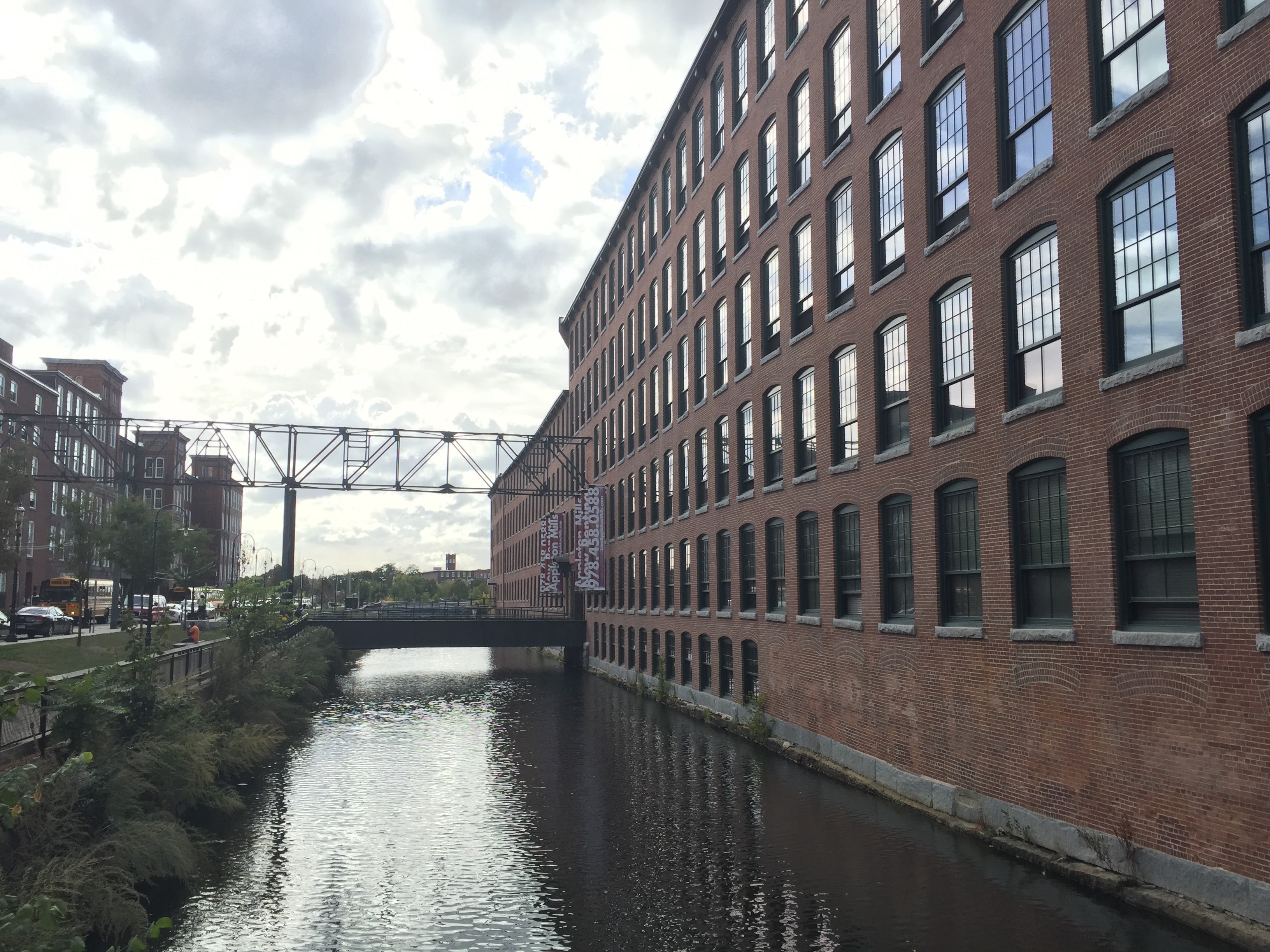
Higher ed institutions’ presence in Gateway Cities such as Lowell can be a catalyst for partnerships with local startups. Photo by Steve Adams | Banker & Tradesman staff
The COVID-19 pandemic has changed long-established assumptions, behaviors and concepts regarding how and where we work, and what we expect from the places we live. Social distancing and telework have exposed us to a life free from a tedious commute and the benefits of a tighter circle of workplace, school, daycare, shopping and recreation.
Many have desired this lifestyle but thought it impossible – until now. While vaccines may soon bring the pandemic to an end, our workplaces, commutes and lifestyles have been changed forever. We will need new strategies for commercial real estate to succeed in what is becoming the “new normal.”
Our changes in demands and expectations reveal to employers and service providers the opportunities to reduce costs and retain talent by reassessing how and where commercial space is needed. While experts project that the demand for office and residential space in the core of metro Boston will rebound, we no longer view downtown Boston as the most important destination to live, work, learn, collaborate and innovate. In fact, residential rents are rising as much as 9 percent outside of Greater Boston. Knowing this, developers can expect demand growth for space in secondary markets like the Gateway Cities.
These realities present opportunities for unleashing the commercial real estate potential of Gateway Cities like Lawrence, Springfield, Brockton and Pittsfield through transformative transit-oriented development (TTOD).
Generating Support from Existing Residents
TTOD can transform Gateway Cities into desired, affordable communities where residents can work, shop, and connect within a 15-minute trip from home. Retirees and others with changing physical abilities also seek communities where they don’t need a car to get around. Existing residents of all ages can benefit from TTOD too: when developers work with city planners and area residents to provide space that existing residents need, developers generate broader support for their projects and deliver equitable access to housing, amenities and public life.
Fortunately, Gateway Cities are doing much of the hard work like master planning and zoning reform to prepare for TTOD and to address the shortfalls in housing, transportation and quality of life that the pandemic has exposed.
Our regional hubs have vital urban infrastructure, transit systems and millions of available square feet that can be converted into residences, office space, co-working space, light manufacturing, small businesses, restaurants, theaters and other elements that bring cities to life. It also helps that these cities often have universities, medical centers and other anchor institutions that attract people seeking nearby activities and services that can support long-term commercial investment.
Investments in Better Living
The commonwealth is investing in the future in Gateway Cities. MassDevelopment’s collaborative workspace program has helped the UMass iHub support startups including protective gear production in Lowell and Haverhill and helped launch Make-It in Springfield, a maker’s space for kick-starting light manufacturing. Meanwhile, entrepreneurs in Worcester took advantage of the state’s vacant storefront program to bring pandemic-responsive restaurants and services closer to where people live.

Tracy Corley
The economic development and transportation bond bills are making it easier for cities to use these programs – and gives preference to development near transit. This is good news for Gateway Cities since most have MBTA and/or Amtrak rail stops and mobility hubs.
The convergence of telework, ebbing tolerance for painful commutes, and scarce affordable housing fuels Massachusetts’ talent gap. However, regional hubs where people live close to work, childcare, schools and cultural venues attract workers across skill levels and reinvigorate communities and the commonwealth overall.
Once the pandemic wanes, we will begin to understand the profound impact it is making on our economic, civic and social structures and how different our future is from what we thought just one year ago. Investing in and activating TTOD in Gateway Cities across Massachusetts today will create the places that we need, desire, and expect to call home in the “new normal.”
Dr. Tracy Corley is MassINC’s transit-oriented development fellow, where she convenes political and community leaders to spur inclusive transit-oriented development in Massachusetts’ Gateway Cities.

