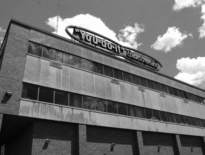
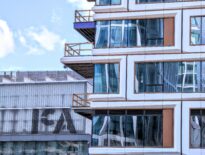
Nearly 2,000 apartment units are under construction in the inner suburbs, including HYM Investment Group's 473-unit Portico at Suffolk Downs. Image courtesy of PCA Architects
Greater Boston apartment vacancies increased to 6.9 percent in the first quarter, reflecting a leasing slump and completion of the lingering remnants of the post-pandemic construction boom.
On a year-over-year basis, rents rose by their lowest rate in nearly five years, increasing 0.3 percent, Colliers reported. Concessions rose to their highest level since 2021, comprising 2.1 percent of asking rent.
The 0.8 percent year-over-year vacancy increase reflects a weak job market in critical local industries such as education and health services, which comprises 23 percent of the labor force, Colliers’ multifamily report stated.
At the same time, major new multifamily projects are adding to the region’s inventory. New supply totaled 1,736 units during the first quarter, down from 2,363 during the fourth quarter of 2025. Another 10,218 units are under construction, down from 10,487 in the fourth quarter.
Among Boston neighborhoods tracked by researchers, Allston-Brighton now has the highest vacancy rate at 9.3 percent. But the neighborhood was an outlier, as all other neighborhoods had declining vacancy. The highest-rent submarket, South Boston/Seaport, maintained the highest asking rents at $4,500, up 3.3 percent year-over-year, while vacancy declined to 3.7 percent.
The inner suburban submarket, including construction hotspot Everett, has the region’s highest vacancy rate at 10.2 percent. But vacancy dropped 0.5 percent during the most recent quarter, signaling leasing momentum, Colliers researchers Jeff Myers and Makella Houdagba reported.
The post-COVID apartment construction boom nosedived in 2022 following a series of interest rate hikes that made it more difficult for developers to complete financing packages. But many of the projects that broke ground in the low interest rate environment are now opening and in lease-up, offering concessions to compete for tenants.
The local rental picture contrasts with national trends during the first quarter, according to a CBRE report. Net absorption outpaced construction completions for the first time in three quarters, and vacancy rates dropped 0.2 percent to 4.8 percent.