iStock photo
Less than a week after federal overseers ordered immediate action to fix glaring safety deficiencies at the MBTA, lawmakers charted a response plan that pins blame on the Baker administration and puts hundreds of millions of dollars on the table.
Legislative leaders announced Tuesday morning they would convene an oversight investigation about the T, in the process pointing the finger at Gov. Charlie Baker for allowing its problems to fester after seizing managerial control of the transit agency years ago.
And just a few hours later, the House set about advancing a borrowing bill that would effectively give the T – controlled by Baker and his appointees – access to $400 million to “address ongoing safety concerns” raised by the Federal Transit Administration’s ongoing investigation.
House Ways and Means Committee Chair Rep. Aaron Michlewitz, whose committee wove the one-time funding injection into a $10.4 billion infrastructure bond bill (H.4897), said the MBTA did not make any specific request for $400 million and described the figure as a “placeholder” ahead of the FTA’s final report expected in August.
“The investigation is ongoing and the complete findings will probably not be available to many of us until later in the year or at least later in the summer. We felt doing this in the transportation bond bill was an easy, accessible way for the MBTA and for the administration to access some immediate funding that they may need through bonding mechanisms,” Michlewitz told the News Service. “If we have to have further conversations on what the number may be or what it could be, we’re willing to have those. I think we’ve always been willing to have those conversations. From the Legislature’s standpoint, the resources have been available.”
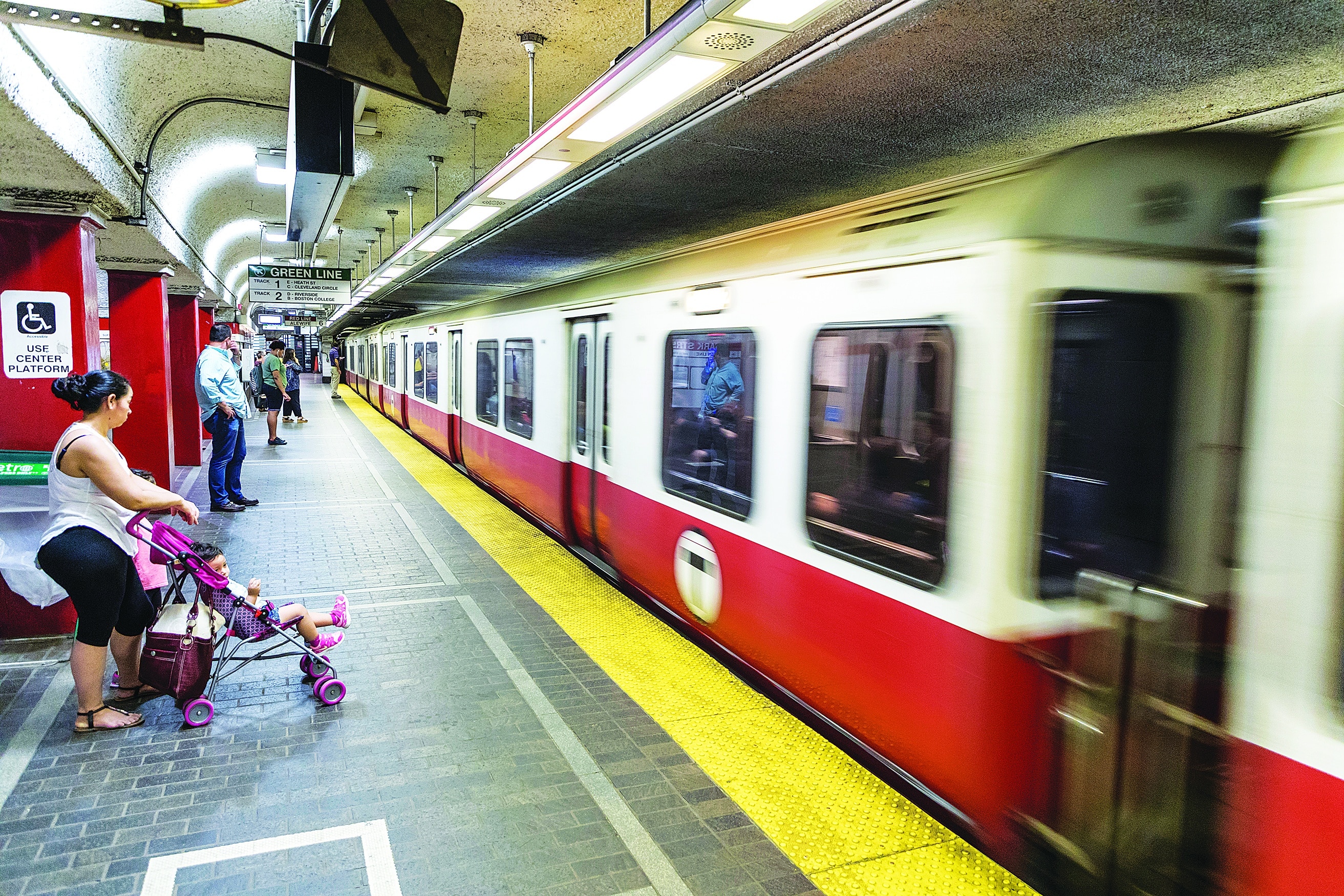
The new federal directives quickly prompted the T on Monday to slash weekday frequency on the Red, Orange and Blue Lines to Saturday levels to cope with its shorthanded status, and the MBTA will need to hire enough dispatchers to bring service back to normal levels. Agency officials including General Manager Steve Poftak must produce plans to address other issues, including a delayed maintenance backlog, within the next few weeks.
The bond bill vote scheduled for Thursday represents a prompt response to the federal probe, which uncovered problems serious enough for the FTA to demand action before it completes its work.
“We felt that this was a good starting point of a conversation,” Michlewitz said.
It’s not clear how far the federal probe or its ultimate recommendations will reach, nor what the final price tag will be on the hiring, repairs and other upgrades MBTA leaders will need to implement to bring the agency into compliance.
Fallout from the investigation continues to billow across the hundreds of thousands of greater Boston commuters who rely on the T and across Beacon Hill, where elected officials in recent years have dismissed calls to rethink how the state funds the transit agency.
Baker has repeatedly swatted away the idea of steering new operating revenues toward the T, and continued on Tuesday, in the face of new federal criticism, to point to historic increases in capital spending.
“The Baker-Polito Administration supports the MBTA’s immediate actions to implement the FTA’s findings, including an aggressive hiring campaign to recruit more dispatchers,” Baker spokesperson Anisha Chakrabarti said in a statement Tuesday. “The Administration shares the Legislature’s goal to make the T as safe as possible and has invested nearly $8 billion into new tracks, cars and signals to make up for decades of deferred maintenance by state government.”
However, the FTA’s preliminary findings appear to suggest that the souped-up capital spending has been insufficient for the system’s needs or perhaps has not focused investments into the right areas.
In one of its directives issued last week, the agency wrote that despite the roughly $2 billion annual capital program, the MBTA “spends just over $70 million per year on the safety-critical [maintenance of way] activities,” which include daily preventative maintenance and inspections of “safety-critical infrastructure.” The T also experienced a “growing backlog” of open and pending defects related to tracks, signals, power and facilities between Jan. 1, 2021 and April 29, 2022, the FTA found.