Photo by Mykhaylo Palinchak | iStock photo
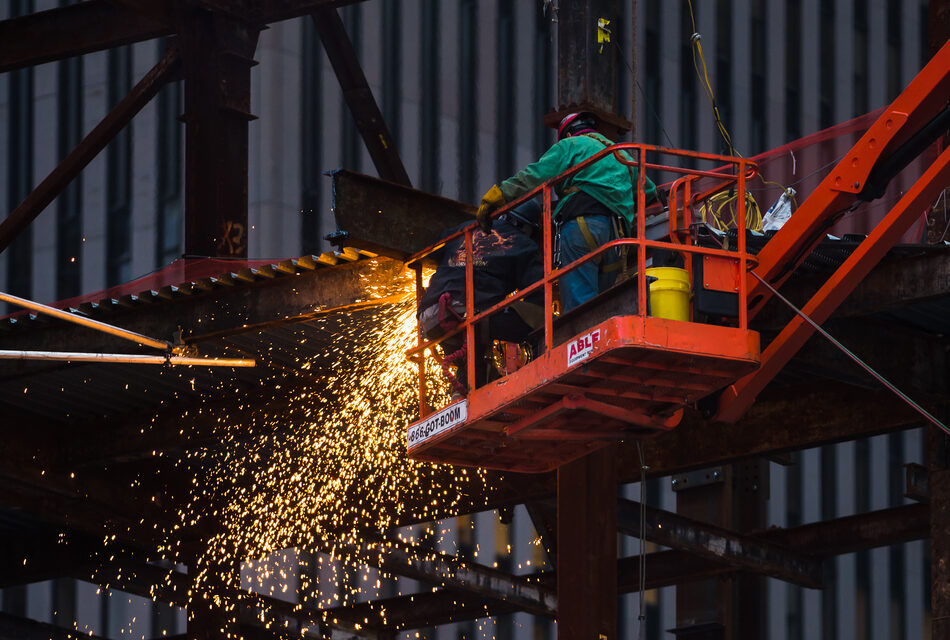
Over 12 years after two firefighters died in a blaze reportedly sparked by welders working on a brownstone in Boston’s Back Bay, the Legislature is inching closer to finally tightening the state’s regulation of so-called hot works like welding, cutting, brazing or other flame-producing operations.
The Senate on Monday advanced legislation (H.5491) to implement the recommendations of a safety report commissioned after firefighter Michael Kennedy and Lt. Ed Walsh died in the wind-swept fire on March 26, 2014. The House passed its version of the bill in June, and the chambers may finally coalesce on a priority for firefighters, building tradespeople and first responders.
The bill requires hot-work certification programs to be approved by the state fire marshal and to include a database to check workers’ compliance status with certification and training requirements,, multilingual instruction, identity-integrity safeguards, mandatory in-person initial training, and annual continuing education either online or in-person.
It would also add fines for anyone violating cutting, welding or hot works processes, the first violation costing $1,000, second $2,000 and third “not more than .025 per cent of the total project value, or $10,000, whichever is greater, or imprisonment in the house of correction for up to 2.5 years, or both,” according to a summary from the Senate Ways and Means Committee.
Judges would be allowed to take into account the size of a project and levy additional fines.
Someone who “wantonly or recklessly or with criminal negligence” violates state building or fire code and causes serious bodily injury of another person could face a $250,000 fine or five years in prison. If their negligence causes a death, the fine increases to $500,000, or 10 years in state prison.
The Legislature passed a hot works bill earlier this year, which was signed by Gov. Maura Healey. That law directs DFS to work with the Division of Occupational Licensure and local/state code enforcement officers to collect data on hot-work code violations and fines and build a public database with an automated notification system for property owners and insurers.
The bills now on the move have a broader scope and would overhaul training and certification, rewrite the penalty schedule, and add a criminal negligence statute. It would add to the data collection piece of the Walsh-Kennedy Commission recommendations that the Legislature addressed earlier this year.
This issue is a priority for Sen. Nick Collins, who faces a competitive primary election Sept. 1. Collins has for years filed the data collection plans and proposals implementing the Walsh-Kennedy report recommendations.
Collins said in 2024 that in the aftermath of the Back Bay fire that the state “learned of the gaping holes in our laws and regulations to prevent such shoddy work and ensure that welding and hot works professionals get the training, ongoing training, and compliance with permitting and licensing regulations and standards.”
Neither branch had previously taken up the Walsh-Kennedy report before this session, though the Senate last session passed the database bill, which then died in the House.
On the floor of the Senate at the time, debating the smaller-scale hot works bill, Collins said he was hopeful the Legislature would one day tackle the larger issue.
“This bill represents another step in the process of reform. We will continue to debate other elements of the Walsh Kennedy Commission report, particularly adding a criminal negligence statute like the states of New York, California, among others, so that though those whose violations result in death can be charged,” Collins said in 2024. “That is for another day.”
Senate Minority Leader Bruce Tarr echoed Collins, adding, “I don’t believe it’s the last step, but it’s an important step.”
During a September 2025 hearing on the bill to implement the Walsh-Kennedy report, Sam Dillon, president of Boston Firefighters IAFF Local 718 said, “Eddie and Mike gave their lives to save and protect others.”
The Senate could vote Thursday to send its bill to the House, which could initiate talks on a final version of the legislation.