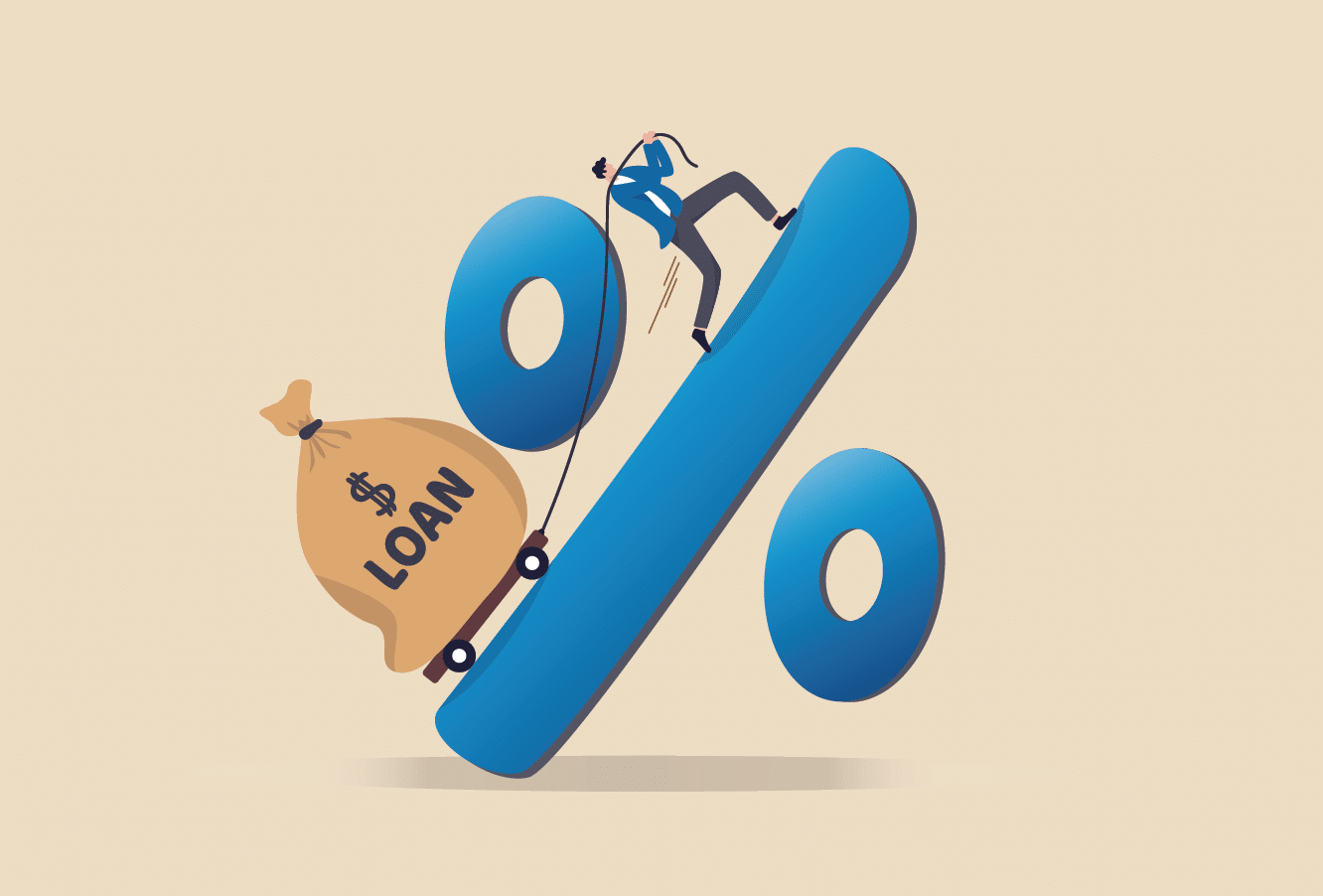
iStock illustration
As interest rates remain high and home prices continue to rise, homeowners in New England are feeling some of the greatest mortgage rate lock-in effects.
The gap between current mortgage payments and what a homebuyer would have to pay now is 127 percent in Greater Boston as well as 148.5 percent in southwest Connecticut’s Bridgeport-Stamford area, according to a Realtor.com analysis. The study put the same figure in the Portland, Maine metro at 154.8 percent and at 123.8 percent in the Providence, Rode Island metro area.
The analysis gave Greater Boston as the eighth-biggest gap in the nation between the area’s current median monthly mortgage payment and what the buyer of today’s median-priced home would have to pay.
Portland landed in third place, Bridgeport-Stamford in fifth and Providence at ninth. Silicon Valley and the Los Angeles metro took the top two spots, with Oxnard, California, Boise, Idaho, San Diego and Salt Lake City rounding out the top 10.
A Redfin study in October found that Greater Boston homeowners move at a much lower rate today than in peer cities.
“The lock-in effect isn’t just theoretical; it’s a significant factor weighing on the decisions of American homeowners,” Realtor.com Chief Economist Danielle Hale said in a statement. “When the average mortgage holder is staring down a $1,000-a-month cost increase just to move, that requires incredible budget flexibility that many households simply cannot manage and others choose not to take on. The ultra-low rates of 2020-2021 have become golden handcuffs, starving many local housing markets of much needed supply.”
Additionally, the typical U.S. mortgage holder pays roughly $1,300 in principal and interest a month, according to Realtor.com. However, to purchase a typical home in today’s market, it would require a monthly payment of nearly $2,236, a 73.2 percent increase in mortgage payments.
California has seen the greatest lock-in effect as San Jose has a 179.6 percent gap between current mortgage payments and what those payments would become if a home was purchased in October. Additionally, in Los Angeles, the gap is 176.4 percent.