iStock photo
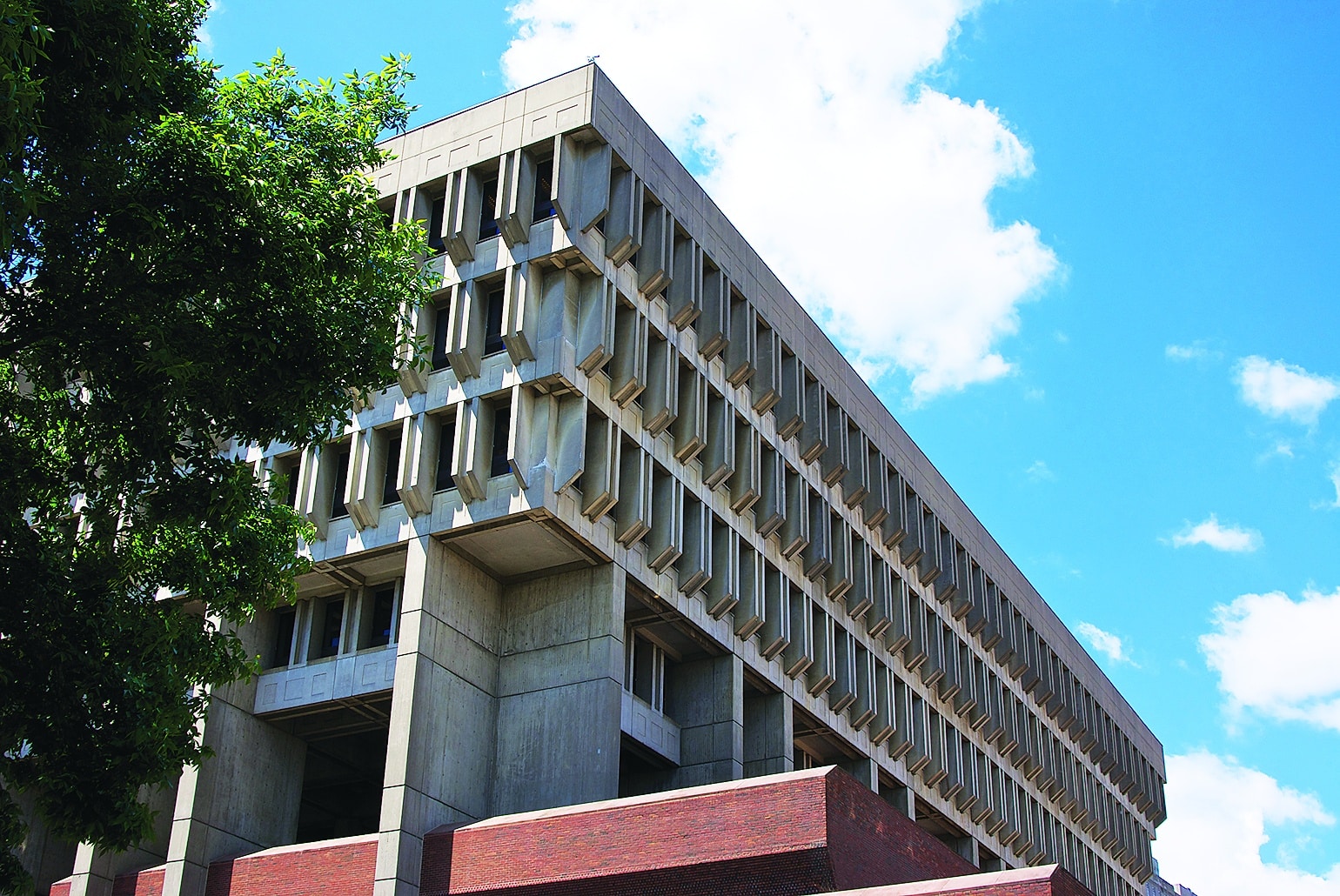
Changes designed to accelerate approval of housing projects and building conversions were incorporated into the Boston zoning code in the first step in a revamp of city’s development review process.
The Boston Zoning Commission approved a handful of changes to Article 80, exempting most residential projects under 200,000 square feet from needing Boston Civic Design Commission approvals.
Currently, all new or rehabilitation projects of at least 100,000 square feet must submit plans to the panel of architects.
Under the new rules, some projects of “special significance” under 200,000 square feet would still be subject to BCDC review, subject to Planning Department discretion.
Anthony D’Isidoro, president of the Allston Civic Association and a member of the Article 80 steering committee, said the changes are needed in an increasingly challenging development climate
“We face considerable affordability issues in the city of Boston that not only require a timely development review process, but more importantly, the flexibility to respond to changing market conditions,” D’Isidoro said during a public hearing Monday.
A 2024 review by city staff found that the design review process was a major driver of uncertainty, and therefore cost, for the developments that had to take part.
Hessann Farooqi, president of the Boston Climate Action Network, said the changes will make it easier for building owners to retrofit buildings to reduce greenhouse gas emissions and operate more efficiently.
A draft action plan was released in 2024, and is designed to streamline and update the city’s 29-year-old review and approval process.
The changes replace print and physical notifications with web alerts and emails, and are intended to improve coordination across city departments.
And the responsibility for transportation access plan agreements will shift from the Planning Department to the Transportation Department.
In a related program, Mayor Michelle Wu this week signed an executive order on continuing modernization of the city’s various permitting processes, particularly those run out of the Inspectional Services Department. Wu’s office promised that new “shared information systems” will mean applicants won’t have to repeat the same information to different arms of government, and that they’ll have access to “real-time status updates” on their permitting application that will “get your questions answered before you have them.”
In 2026, the city will eliminate annual inspections for approximately 1,000 small businesses and restaurants. The changes apply to establishments with a capacity of under 50 people and no alcohol service.
In announcing the executive order, Wu’s office also touted recent updates to the city’s flameproofing certification process, the new ability to request an ISD building permit inspection online and shortening the review process for renovating downtown retail spaces.