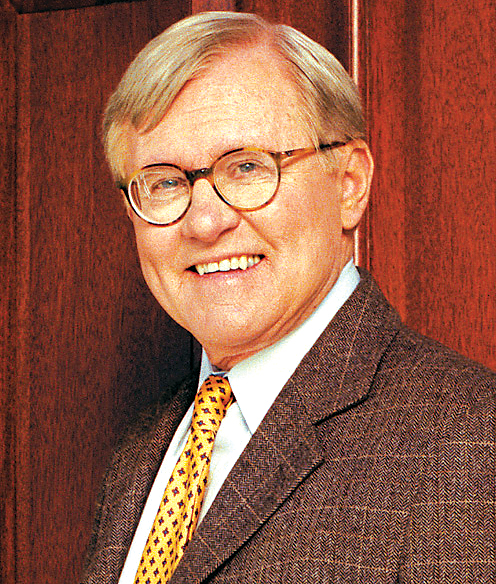
Rick Dimino
Boston has the opportunity to learn from the climate disasters of other American cities before we face a major weather event of our own.
We’ve seen how Hurricanes Katrina and Sandy crippled New York, New Jersey and the Gulf Coast due to aging infrastructure, roads and utilities. This summer alone, a startling number of major floods have wreaked havoc across the United States, from Baton Rouge to West Virginia. Climate resilience has emerged as a policy priority in these areas after the devastation. Boston must establish a policy framework now to catalyze rapid climate-smart investments in the private sector before a disastrous extreme weather event causes destruction in our community. We can and must be proactive.
With close partnerships between city, state and industry, Boston has taken a significant lead in protecting our communities, properties and businesses to ensure that our economy continues to thrive. Our world-class commercial, academic and political institutions uniquely position Greater Boston as a nexus of innovative, science-based, economically viable actions to fight climate change. It is an exciting time for Boston as these leaders come together to put resources and ideas into action to prepare our city before a major disaster hits our shores.
Events such as Boston’s Climate Vulnerabilities and Solutions Symposium and Expo held on Sept. 15 and cohosted by A Better City and the Boston Green Ribbon Commission (GRC), mark a shift from planning to action in the citywide Climate Ready Boston initiative, an effort started by Mayor Martin Walsh last October with the help of the GRC. Private sector engagement and investment are critical to this action planning process. Over 320 private, public and nonprofit stakeholders gathered together at this event to discuss technologies, policies and actions that will properly prepare the city’s buildings, businesses and districts for the future. City, state and commercial real estate leaders at the forefront of this work discussed the challenges ahead and a path forward. Commercially viable technologies already exist to support enhanced resilience of our built environment, and 12 vendors at the event presented their technologies and discussed actions businesses can take immediately to prepare for the impacts of climate change.
Lucky So Far
Boston is lucky to have been spared from disaster thus far, but the reality that we will face a major weather event is inevitable. According to Climate Ready Boston’s Climate Projections Consensus, a report written by some of the region’s top climate scientists and overseen by the University of Massachusetts-Boston’s School for the Environment, Boston will face higher temperatures, marked sea level rise, heavy precipitation and more severe coastal storms in the coming years. Serious conversations about the future of Boston must begin now. This includes understanding Boston’s vulnerabilities, identifying swift and impactful actions for both the public and private sectors, and aligning policies and finance to support economically viable and climate-smart investments.
In recent months, Massachusetts has taken steps in the right direction, further cultivating this opportunity and momentum for ambitious action. On Sept. 16, Gov. Charlie Baker signed Executive Order 569, Establishing an Integrated Climate Change Strategy for the Commonwealth, which calls for a coordinated statewide effort to not only mitigate greenhouse gas (GHG) emissions, but also to prepare for and adapt to the effects of climate change.
Last month, Baker signed an omnibus energy bill authorizing the largest procurement of renewable energy in the history of the commonwealth. The bill further establishes a Commercial Sustainable Energy Program, allowing for Property Assessed Clean Energy (PACE) bonds to finance energy efficiency and renewable energy retrofits in commercial buildings. This past spring, the Massachusetts Supreme Judicial Court reaffirmed the state’s commitment to driving aggressive greenhouse gas emissions reductions. Boston’s businesses and city leadership must build off these state actions and move immediately to develop and act on visionary strategies and planning efforts to build resilient neighborhoods and business districts.
The discussions that happened at the symposium mark a milestone in Boston’s leadership on climate preparedness. The next phase of the Climate Ready Boston process will design and propose actionable solutions for areas of our city most threatened by potential climate impacts. We have the opportunity to envision, shape, and transform our city’s built environment for the future. With consistent, forward-thinking, motivated leaders, I am confident we will rise to the challenge.
We encourage the business community to join us in participating in the Climate Ready Boston effort for climate preparedness during the next phase of the city’s work. Together, we can ensure a sustainable, resilient Boston for generations to come.
Rick Dimino is president and CEO of A Better City.