

Mismatched Priorities Extend Lab Market Woes
Commercial landlords’ business model and small biotech companies’ needs are at odds, throwing obstacles in the paths of filling empty lab buildings and form the next generation of industry giants, alike.
Commercial landlords’ business model and small biotech companies’ needs are at odds, throwing obstacles in the paths of filling empty lab buildings and form the next generation of industry giants, alike.
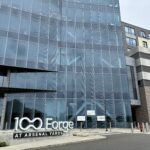
No one is prepared to say that Greater Boston’s third-largest lab market is in full recovery mode. But Watertown lab vacancies have started falling.

Greater Boston’s life science real estate market is beginning to show clearer signs of an inflection point after several years of supply growth, declining rents and subdued tenant demand.

When biotech startups are ready to graduate from incubators, a frequent destination is Cummings Properties’ 11 million square-foot portfolio in Boston’s northern suburbs.

A recent state Supreme Judicial Court case tested how liable general contractors are for workplace injuries suffered by subcontractors’ employees.
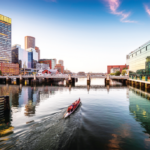
Landlords have been particularly anxious about Boston Mayor Michelle Wu’s aggressive push to rein in buildings’ carbon emissions. The harbor could be their savior.

When developers want straight talk about how to comply with an increasingly bewildering thicket of green building regulations, many turn to Chris Schaffner.

Although flood insurance manages the risk of loss to flood-prone properties, it does little by itself to prevent flood damage. That’s where design and construction standards come in.

The most forward-looking real estate leaders see an opportunity to deliver projects that strengthen the bottom line through lower operating costs and enhanced resiliency.

Boston is on the front line of coastal flooding, facing increasing impacts from sea level rise, storm surge, Nor’easters and frequent nuisance flooding.

The seas are rising. Storms are getting more intense. Flood zones are shifting. We have the tools to see the road ahead, at least partially. The challenge is changing course.

More flexible standards and a new requirement to weigh the public benefits of new housing should be a benefit to developers working with difficult sites or towns with outdated zoning.

Long before office-to-residential conversions became a hot topic, Curtis Kemeny was showing developers how to maximize opportunities.

The definition of flex/R&D space in Massachusetts has fundamentally changed with the advent of climatetech, energy tech, advanced manufacturing and robotics.

Buildings that cannot offer a meaningfully better experience than a well-equipped home office face growing competitive pressure. That shift is changing what tenants value.

Capable of housing manufacturing, R&D, storage and office all at once, flex space is now fetching the highest industrial rents across the region.

If you act quickly, there’s still a two-week window left in July to rent a $125,000-per-week vacation compound on Vineyard Sound. But most luxury rentals are already booked.

Michael Carucci has $160 million worth of residential real estate listings queued up to sell in his new role with Serhant, the New York City luxury brokerage made famous by Netflix that’s expanding in Boston.
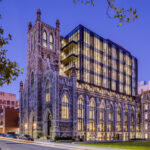
Boston has a housing shortage, and the answer does not always have to begin with a vacant lot or a full demolition.

Much of our future housing already exists in the form of Colonials, Capes and historic homes. If we want these homes to remain relevant, we need to allow them to evolve.