Buildings Play a Key Role in Massachusetts’ Energy Future
If we want to maintain momentum on climate goals, we must be strategic in how and when building performance is integrated into the construction process.
If we want to maintain momentum on climate goals, we must be strategic in how and when building performance is integrated into the construction process.
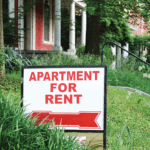
When one of its tenants vacated her apartment without using professional cleaning services, a landlord deducted $115 from her security deposit. It could face a class-action lawsuit.

The Wharf District Council faces its most daunting challenge: coming up with the actual funds to pay for what it says are vital protections for downtown Boston.

The Wu administration is focusing on how to wean Boston’s vast inventory of aging apartments off fossil fuels. But with electricity costs sky-high, landlord groups are wary.

Developers need to keep up to speed on an expanding array of environmental regulations, creating opportunities for Agnes Vorbrodt and her firm.

Recent municipal regulations mean designers face an urgent need to translate these rules’ implications for building owners and developers.

Across Greater Boston, approved multifamily building proposals are gathering dust despite strong market fundamentals. Blame banks and investors.

Lorraine Finnegan, the new CEO of SMMA architects, has a history of adapting to changing economic conditions. The current economic climate is no exception.

Young parents buying new homes have many concerns. Whether their builder may have knowingly spread an invasive weed and glass on their property should not be among them.

There is an extremely high demand for senior housing in Massachusetts, but good senior housing projects aren’t just rebranded apartment buildings.

Greater Boston’s high construction and capital costs have made most conversions prohibitively expensive. A solution needs state, municipalities and industry to collaborate.

These three projects are bright spots offering valuable lessons. All three required years of work and complex transactions. All are entering construction during unprecedented uncertainty.

For a planet with over 8 billion people, BERDO cannot provide meaningful climate change mitigation by itself, but one has to start somewhere.

Whatever the name, city pied-a-terre abodes do have something in common: They’ve become an important part of luxury tower development strategies in Boston.

Our region’s sustained demand is fueled by affluent renters, a reasonably robust economy and limited inventory, with even fewer new developments on the horizon.

As a young architect, Colin Flavin absorbed his first employer’s commitment to modernism. As head of his own firm, he’s carrying that forward in residential design.

Plans for a 90-unit 40B complex gave way to a 35-unit condominium development after developers’ discussions with neighbors and town officials.

Our study of Boston’s One Lincoln and a successful conversion of a similar New York City office building show underutilized office towers can, in fact, become viable and vibrant housing.

Two new Allston-Brighton projects are betting that good design can make good neighbors of musicians and apartments. Here’s why.

A new SJC ruling says the time limits for when architects’ clients can sue over design defects can be contractually negotiated.