Photo courtesy of Laura Alix
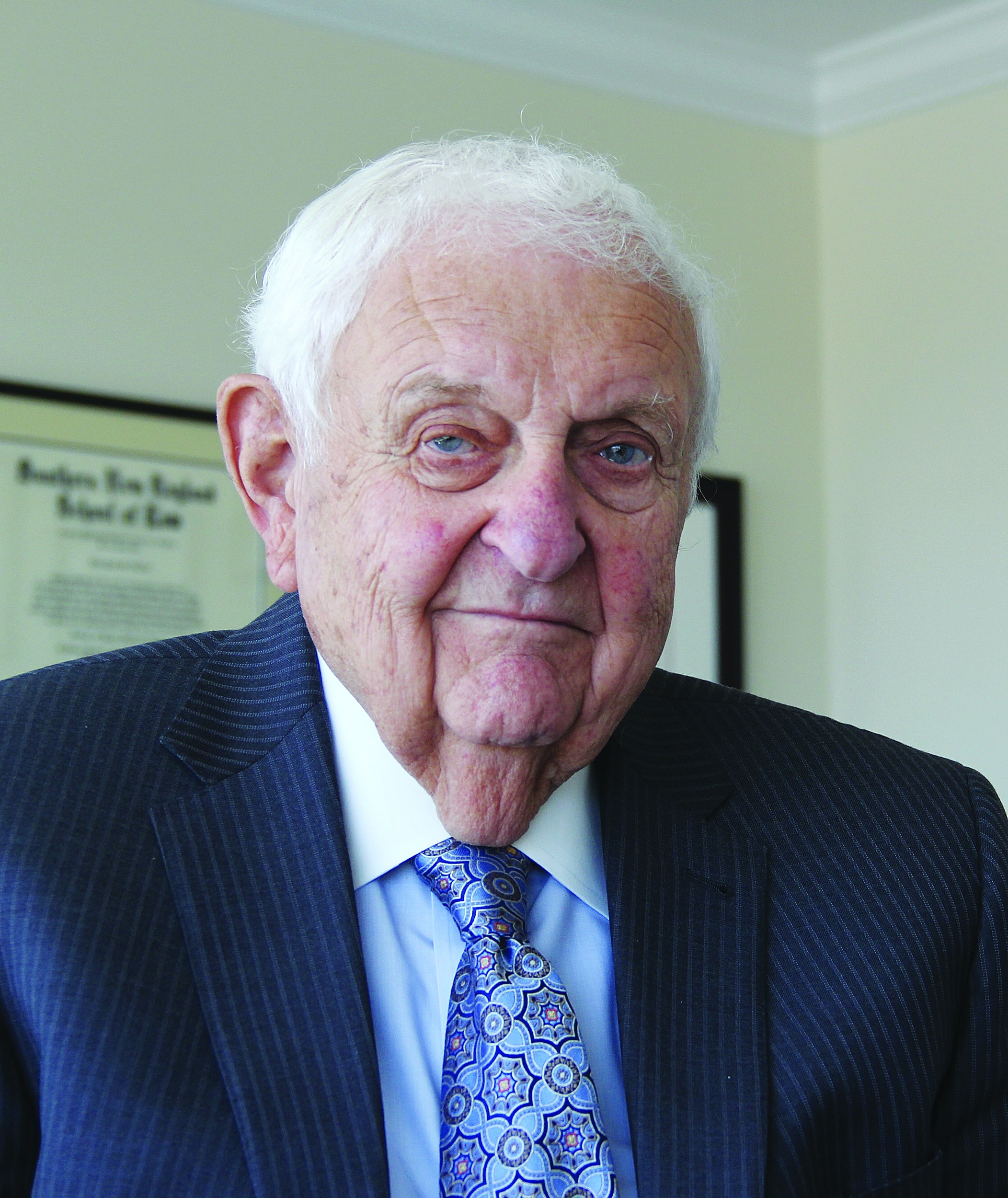
Massachusetts lost a banking icon when Century Bank founder and Chairman Marshall Sloane died earlier this month.
Sloane is well known for starting Century out of a Somerville trailer in 1969 and growing it into one of the largest community banks in Massachusetts. The bank has more than $5.3 billion in assets and 28 branches.
While Sloane will long be remembered for his philanthropy, his relentless work ethic and his contributions to the industry, his death also puts a spotlight on the state’s few family-owned and family-run banks.
The concept of a family bank is common in the banking industry and well represented throughout the country, said Jeff Gerrish, chairman of the board of Gerrish Smith Tuck Consultants.
“A lot of family-owned banks start because there was no bank in that community,” Gerrish said. “A lot of them were startups.”
How Many Are There?
Although it is difficult to tell how many family banks there are in the U.S because shareholder information is not publicly available, most family banks operate as S–corporations.

Bram Berkowitz
There were roughly 1,900 such banks as of mid-2018, about half of which Gerrish estimated are family-owned. This would put the percentage of family-owned banks at approximately 17 percent of all active charters.
Many of these banks, according to Gerrish, are stock–owned and operate in states like Texas, Illinois, Minnesota and Iowa – states with historically strict branching laws. Illinois banks were only allowed to operate from single offices until 1993, restricting their ability to open branches in other towns. Full-service branches were not allowed until 1985.
Massachusetts has 117 banks. Many are mutuals, but some are owned or at least run by families.
In addition to Century Bank, Millbury National Bank, Arlington-based Leader Bank and Woburn-based Northern Bank & Trust are all family-run.
Maintaining the Legacy
All family banks, according to Gerrish, have two different entities within them – the family and the bank.
Millbury National Bank President and CEO Kate Marcum knows this relationship well.
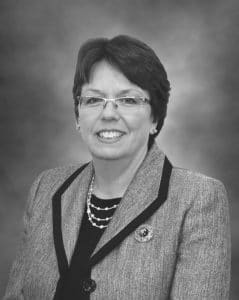
Kate Marcum is the third generation of her family to lead Millbury National Bank since 1939. Photo courtesy of Millbury National Bank
Millbury National has nearly always been family-run. Two generations of the Waters family were presidents of the bank in the 1800s, followed by two generations of the Hull family in the early 1900s.
Marcum’s family, the Harrises, along with another family, the Matsons, became the two most prominent investors in the bank in the 1930s. Marcum’s grandfather E. Paul Harris led from 1939 to 1971, and then her father Roger Corey took over until 1995. A third– and a fourth–generation Matson are on Millbury National’s board today.
Marcum became president in 2002. Today, her daughter works at the bank as a commercial services officer and her sister is the CFO.
“My dad and I never discussed banking,” said Marcum, who worked at Guaranty Bank and then Mechanics Bank before coming to work at Millbury National. “We never discussed me coming to work here until the early ’90s when the bank needed a senior lender. I worked for him for about three years until he retired. It was really nice. It was a great learning experience and nice to carry on the legacy.”
Intentional or not, Gerrish said it is common for children in a family-run business work for another company for several years to gain the skills and training away from the atmosphere they might face at a family bank. In fact, Marshall Sloane’s son Barry Sloane worked for several of the larger banks on Wall Street before coming to Century Bank.
Where do the Top Loan Originators Rank in Your Market?
You’re one click away from identifying top loan originators with The Warren Group’s Loan Originator Module! Measure loan origination and loan activity against competition and market activity, recruit leading purchase and non-purchase loan originators and identify loan originators for potential partnership and business relationships. Let us know your objectives, and we’ll connect you with this vital market intelligence to exceed your goals.
Family Dynamics Offer Challenges, Opportunities
At a family-owned bank, there are always relationships to manage whether internally or externally. Marcum recalls the first time she and her father met with a customer at the bank while working together.

Marshall Sloane (center), created an ownership structure for Century Bank that gave family members like daughter Linda (right) and son Barry (fourth from right) tight control over the bank’s future while still letting non-family shareholders profit. Photo courtesy of Bill Brett / Century Bank
“He had picture of me and my siblings on his desk. He said, ‘I won’t tell people you’re my daughter, but I won’t deny it if people ask,’” she said. “We are careful not to give family preferential treatment. It is a highly regulated industry. When I first came here, the [Office of the Comptroller of the Currency] gave us quite a bit of scrutiny. I think it was because I was in the family.”
Despite the difficulties, a family’s multigenerational commitment to a bank can be the main driver behind maintaining its independence. Gerrish said he always tells family banks that they can stay independent in perpetuity if they have a succession plan.
In Century’s case, the bank has a structure that consolidates the Sloane family’s control.
The bank is stock-owned; non-family shareholders earn twice the dividend of Sloane family members, but they have very little say over the bank’s operation.
At other banks, the bank’s independence is down to the attitude of the family in charge.
Millbury National, at roughly $88 million in assets, was one of the 10 smallest banks in the commonwealth at the end of 2013. Since that time, every other bank in that group has been acquired.
“It really is a multigenerational commitment,” said Marcum. “It’s my family’s, and others too, that have inherited stock and have grown up with a bank in the community. … My board is very committed to the community and doing what we do best, which is serving small businesses and families.”