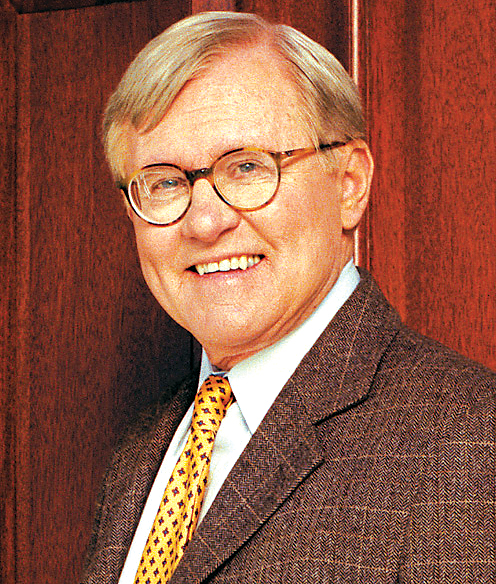
Rick Dimino
The Climate Ready Boston initiative – an effort started by Mayor Martin Walsh last October – recently released its climate projections. These represent a consensus on the future of the region according to leading scientists, universities and previously published work. This report forecasts increases in rainfall, higher temperatures, and affirms that the sea level is rising. Fortunately, we as a community still have the power to influence the future, and as the United Nations put it best, “avoid the unmanageable and manage the unavoidable.”
This will require timely and aggressive action from the Boston business community to reduce greenhouse gas emissions and make smart investments in climate defense. The business community must actively participate, because we make up a majority of the emissions based on the Boston Climate Action Plan. A Better City, a membership organization of leading business and institutions, has committed to leading private-sector engagement in the Climate Ready Boston initiative to raise awareness and encourage the development of solutions that will foster the economic vitality and improve quality of life within our region.
The severity of our challenge will depend on the levels of greenhouse gas (GHG) emissions produced in the coming decades. Even if we take moderate steps to reduce emissions, sea-level rise in Boston by 2100 will still jeopardize much of downtown Boston and the Seaport district. However, if we continue upon our current trajectory of GHG outputs, we could see sea level rise by 6 feet or more, a level that almost certainly means regular flooding and severe water damage to public and private sector infrastructure. We know that some sea level rise is inevitable, but our ability to limit this increase and protect our city largely depends on the energy choices and climate defense strategies we make today.
Every branch of Massachusetts’ state government is looking at projected GHG emissions and our region’s energy needs. Both the Senate and the House of Representatives have passed competing legislation to meet energy and climate goals for the future. Gov. Charlie Baker has also taken a leading role in making energy policy a priority this year. The Massachusetts State Supreme Court also entered this policy debate by ordering the commonwealth to take more aggressive actions to reduce GHG emissions in order to comply with the 2008 Global Warming Solutions Act.
Searching For Solutions
A Better City stands in strong support of legislation that could help Massachusetts cut GHG emissions, strengthen our adaptation efforts and promote infrastructure and innovation in the energy sector. We need policies that encourage a higher level of renewable energy in our energy portfolio, promote energy efficiency and storage technologies, and support innovation for climate financing and energy transitions. Our state government leaders should use this legislative debate to both prepare for the effect of climate change and maximize our economic growth opportunities in the clean tech sector. We need a higher level of hydropower and offshore wind to support our energy needs without compromising our efforts in combating climate change. Smart investments now in clean energy will save money, our infrastructure and livelihoods in future years.
The next phase of the Climate Ready Boston process will introduce solutions across the city and in certain key business districts. On Sept. 15, A Better City and the Green Ribbon Commission will be hosting Boston’s Climate Vulnerabilities and Solutions Symposium to present the climate projections for Boston. This will include the vulnerability assessment results and will showcase resiliency technologies and solutions. However, we must remember that preparedness is only a piece of the challenge.
Reducing our GHG emissions and increasing our reliance on renewables and energy efficient technologies is critical to preventing the worst-case climate scenarios. As we work to understand the risks posed to our region from extreme heat, increased precipitation and sea level rise, it is imperative that we continue to work across sectors to make smart investments in climate preparedness and employ strategies to reduce our impacts and promote economic growth. The final debates at the State House on the omnibus energy legislation and the resilience initiatives identified by the Climate Ready Boston team make these next few weeks especially critical in determining our ability to safeguard Boston from the future damage of climate change.
Rick Dimino is president and CEO of A Better City.