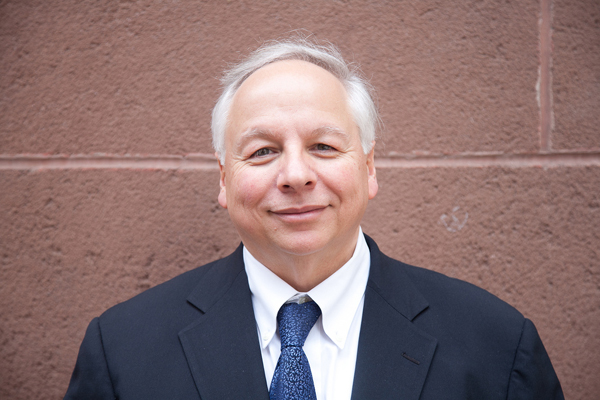
Rick Dimino
Almost 30 years ago, the original planners and government officials who dreamed of a Greenway in Boston wanted to be ambitious: they described the Greenway as an “extraordinary opportunity … to alter the look and feel of the city of Boston. This kind of opportunity will never come again.”
This vision led to a now-iconic destination enjoyed by tourists, employees and residents of many neighborhoods. Yet even with this recent success, the Greenway still needs ongoing financial support and additional investment and if we want to maintain this progress, and eventually reach its maximum potential for Boston and the region.
For some Millennials and those new to the Boston area, it is likely unimaginable that the current Greenway was once an area people tried to avoid. To longtime Bostonians and organizations like A Better City, the beauty of the current Greenway exists in stark contrast to our memories of the past. Gone are the shadows, grit and noise from an elevated highway, replaced with a welcoming and vibrant open space. Certainly there were challenges and many lessons learned, but we have come so far.
Shared Responsibility
To us, the Greenway isn’t just a park; it’s an evolution from urban blight to a 21st century vibrant public space. The public sector’s investment in this Greenway – along with careful coordinated assistance from the abutting business community and neighborhoods – has brought us all this jewel of a green space in the heart of downtown. Today, after several years of operational, maintenance and programming responsibility, the Rose Kennedy Greenway Conservancy has worked to ensure the quality and vibrancy of this signature space.
Over the past several months, bolstered by the leadership of the governor and mayor, a working group of state, city, conservancy and members of A Better City have been working diligently to build on this progress by developing a stable and streamlined funding plan for the Greenway that will enhance the park for years to come. This plan will include A Better City taking the lead to pursue a Greenway Business Improvement District (BID) that will allow the businesses along the area to directly contribute to Greenway costs.
The partnership announced for the future of the Greenway is rooted in the value of ongoing shared responsibility between the state, city and business community. It is a fitting next step in the Greenway’s evolution: years of cooperation created the Greenway, and businesses, tourists and the public sector all benefit from this open space and programming. The BID’s proposed $1.5 million annual contributions for Greenway maintenance and enhancements will match the contributions of the public sector, maximizing abutters’ impact while providing the park with much-needed continuity.
While this initial partnership is promising, it’s only the first step. Over the next several months, A Better City will lead a robust and inclusive process to develop a detailed plan for the potential BID. This process will involve developing a management plan, determining boundary lines and a creating a funding formula for individual properties. We will take into account the many ideas and priorities of individual abutters along the Greenway, whose voices will be critical to this effort.
There were more than 400 events on the Greenway last year, attracting 1.4 million visitors for art shows, rides on the Carousel, visits to food trucks or enjoying the space for the free Wi-Fi. Thousands more are there to appreciate the gardens or run through the signature water fountains. This year the Greenway continues to grow through the new outdoor beer garden, zipline ride and many other new activities throughout the corridor.
The ultimate goal for the BID is that we help secure a long-term vision and continue the success for the Greenway. Together with our public-sector partners and the conservancy the business community hopes to continue the park’s positive evolution – and at the same time ensure its legacy.
Rick Dimino is the president and CEO of A Better City.