iStock photo
A new report from Pioneer Institute argues the state Legislature needs to pass further reforms this year to aid accessory dwelling unit production to help with Massachusetts’s lack of housing inventory.
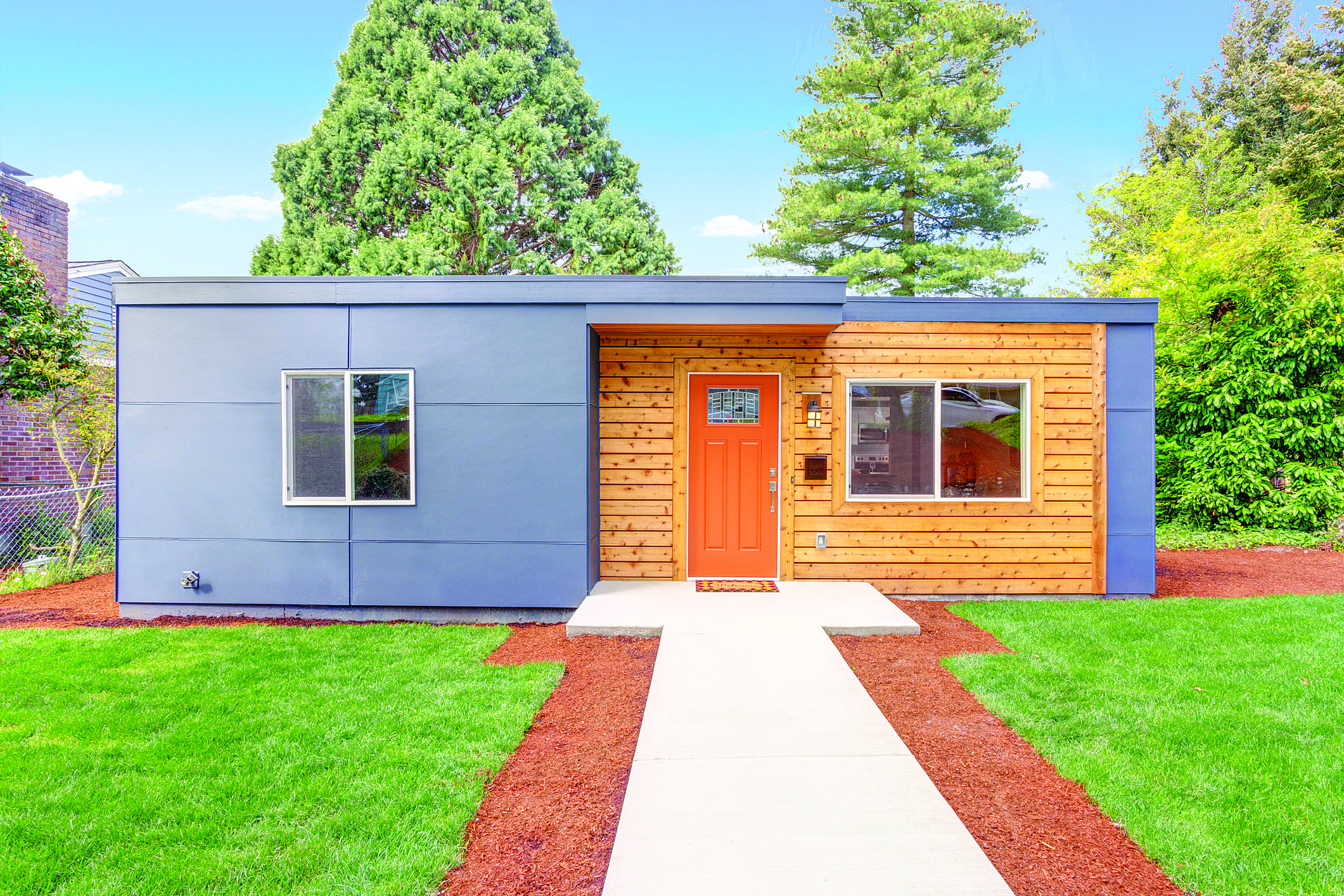
The report says the state should allow ADUs to be sold from a principal dwelling, create a baseline allowance for a “prototypical” 900-square-foot ADU, provide resources to further appraiser training on ADU valuation and stop localities from enforcing standards that exceed state septic rules.
“The high cost of housing is a fundamental barrier to entry into our economy and diminishes our quality of life in Massachusetts,” Pioneer Institute senior housing fellow Andrew Mikula said in a statement. “It’s also a solvable problem. We need enough new homes coming online to absorb new demand and keep upward price pressure off the existing stock.”
In 2025, there were 1,639 applications for ADUs and 1,224 of those were approved, according to a survey of local building departments by state housing officials released earlier this month. The survey found 48 percent of permits issued were from detached ADUs.
“When it’s too difficult for young professionals and their families to afford a home here, many of them end up leaving,” Pioneer Institute Executive Director Jim Stergios said in a statement. “Breaking down some of these barriers to building new housing is the least we can do to put the American Dream within reach for more Massachusetts families.”
The report is also calling for broader changes to further accelerate housing production as the state Senate prepares a large package of housing reforms and housing advocates wait to see what the state House of Representatives will support.
Among the changes the report recommends is adopting a legal definition of site plan review. The aim would be to prevent municipalities from replicating contentious, drawn-out zoning reviews with equally politicized site plan reviews, which are still allowed under state law even if a project meets the underlying zoning requirements, but don’t have statutory guardrails.
Other ideas included: eliminate required parking minimums statewide, give the state Housing Appeals Committee and Land Court more resources to speed up development appeals and allow two- to four-unit residential buildings on areas with municipal or regional water and sewer service.
“Massachusetts isn’t building the homes it needs because we’ve tied the process up in knots of red tape,” Stergios said in a statement. “Only the largest and best-connected developers can get projects approved. We need an all-hands-on-deck approach, including builders of every size, to keep young families here – buying homes, building wealth, and putting down roots.”