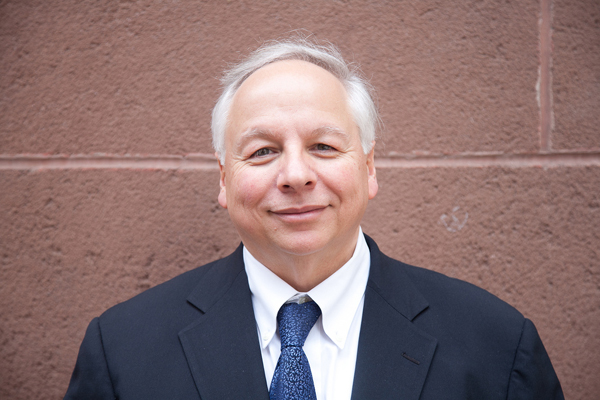
Rick Dimino
A Better City is working on Boston Mayor Martin Walsh’s initiative Go Boston 2030, the city’s first transportation master planning effort in 30 years. In exploring this large-scale vision, we realized a need to think about transportation as more than just a street, bridge or trolley. Transportation and infrastructure developments create the areas for people to enjoy city life and culture.
Placemaking is a priority right now in Boston. Our state’s capital has a proud history of enhancing the public space, from the Frederick Law Olmsted’s design of the Emerald Necklace parkland in the late 19th century to more recent successes of the Southwest Corridor Park along the Orange Line through Back Bay, South End, Roxbury and Jamaica Plain, and the Rose Kennedy Greenway in downtown.
Planning, design and construction of the Southwest Corridor included a high level of community involvement. Residents chose the activities and shaped the design of the open spaces from the street ends in the South End, to the broad decks covering the tracks in Roxbury and Jamaica Plain, to the station entrance plazas. As a result, the bike path is humming, the play areas are occupied and the sports fields are well used – because the neighbors helped to determine the nature of the open spaces, making them places with a role in neighborhood life.
There are many other development efforts throughout the country that have created a vibrant public realm in urban areas, in many cases discovering new uses for transportation facilities. In New York City, Times Square has been transformed from a traffic crossroads to an inviting domain for pedestrians. The High Line has famously repurposed an abandoned freight rail line for a linear open space 30 feet in the air. In cities across the country, streets have been closed to traffic for community events for a day or permanently. The concept of placemaking is catching on everywhere.
Placemaking In The Private Sector
Placemaking is a major focus for Greater Boston’s private sector as well. A few months ago at the Colliers International Conference on Real Estate Trends, we heard major area developers saying that the spaces between buildings are becoming a larger part of their emphasis in new construction projects. They are thinking about how to activate public space for residents, how to recreate the traditional landscape for innovative use and how to make streets into a new platform for tomorrow’s art and temporary recreation or event spaces.
Placemaking can happen through community initiatives as well. This is why the mayor’s Go Boston 2030, Imagine Boston 2030 and Boston Creates (the effort to develop a plan for Boston’s arts and culture) are all thinking of creative designs and changes in public places and corridors. The shared goals of both the public and private sectors is to use the public realm in each community to be a safe, resilient, exciting and useful way, that is still unique and suitable to each community’s needs.
The Barr Foundation is joining with A Better City and the city of Boston to fund a public realm planning effort related to transportation facilities for the Go Boston 2030 project. ABC and its consultant David Dixon of Stantec have reviewed the past and current status of placemaking activities in Boston. We have reviewed best practices around the world to find inspiration for potential projects in Boston. We have devised a method to analyze existing public spaces to see how well they serve community goals and to discover how these spaces can be improved to serve their community better. Working together with the city, we hope to develop some short-term “tactical urbanism” projects in select locations to generate increased enthusiasm for local placemaking, and we will use these study sites as pilots for conceptual designs for permanent placemaking improvements. We will devise guidelines to be incorporated in private and public development projects, and most importantly generate procedures for implementing placemaking initiatives and governance of the process.
Why is this important? Effective placemaking can make neighborhoods of Boston more connected to the needs and aspirations of the residents and make Boston a more vibrant and lively place to live. Boston and its quality of life are in competition with other cities to attract and retain the workforce that makes our economy thrive. Investment in placemaking initiatives will not only make Boston a more attractive residential and commercial destination, but will also enhance our shared sense of community and the city’s social fabric, which is a much sought after commodity these days.
Rick Dimino is president and CEO of A Better City.