iStock photo
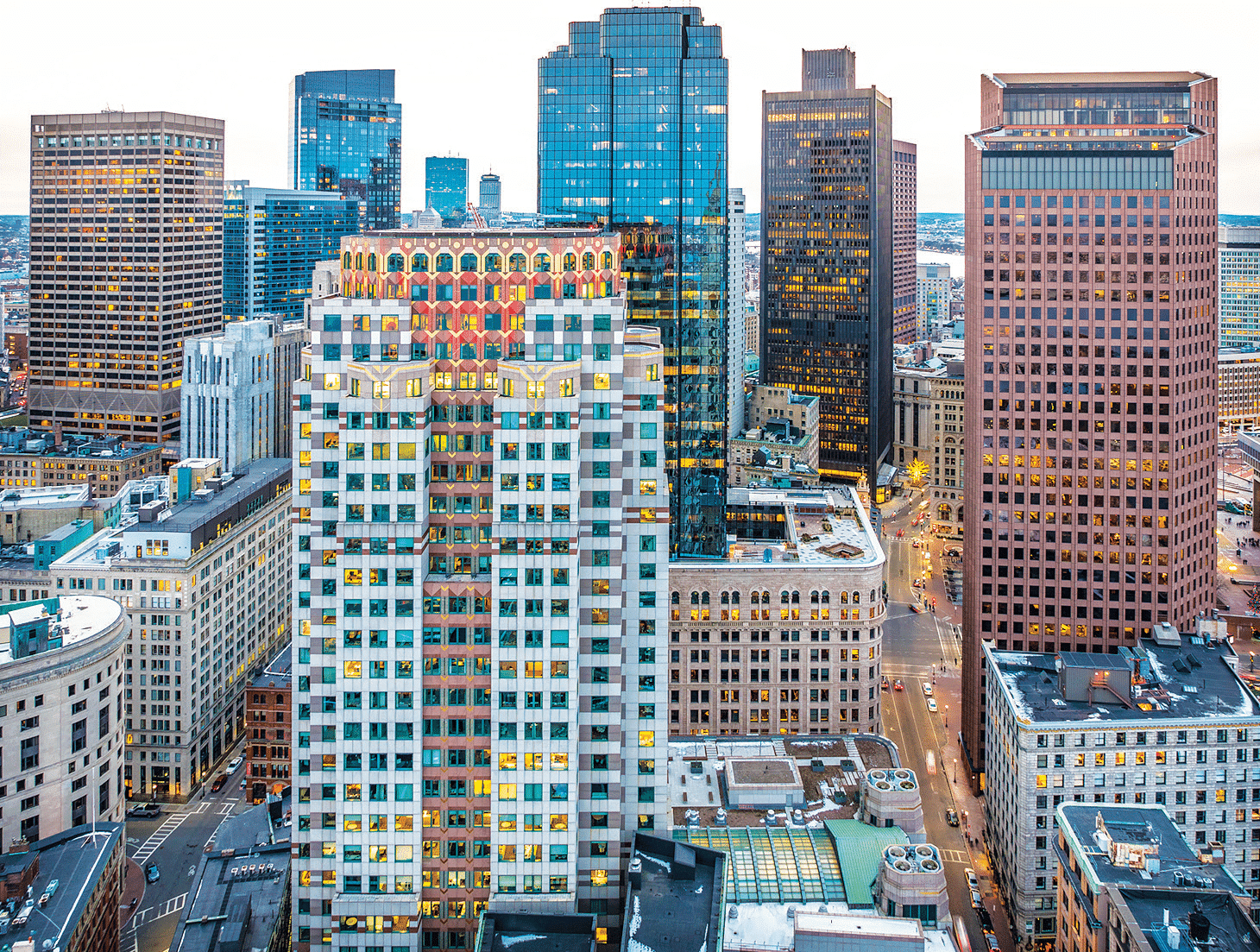
Boston officials approved zoning changes designed to encourage high-rise housing development in three downtown neighborhoods and reinvigorate areas that have been drained of economic activity by rising office vacancies.
The rezoning creates a pair of new “Skyline” districts in parts of Downtown Crossing, the Financial District and Park Plaza.
Today’s 10-0 Zoning Commission vote is the final step in a seven-year process. Boston Chief of Planning Kairos Shen urged approval, submitting a letter from Mayor Michelle Wu citing the “urgency of the moment” for the central business district.
State Rep. Jay Livingstone, D-8th Suffolk District, reiterated his opposition, saying that the zoning language doesn’t provide sufficient protection for Boston Common from new skyscraper shadows.
Building heights are limited to 155 feet in the Ladder Blocks neighborhood directly east of Boston Common. The taller Sky district covers most of the Financial District and parts of Park Plaza, and would allow maximum heights of approximately 700 feet.
Those changes could catalyze redevelopment of sites such as The Druker Co’s Corner Mall, Abbey Group’s Lafayette City Center, and Northland Investment Corp.’s 600 Washington St.
“Downtown Crossing has unfortunately deteriorated to a level that is unsafe and the economics of the area aren’t producing what the city needs,” Druker Company President Ronald Druker said.
The rezoning also got support from a nonprofit affordable housing developer that is planning an office-to-residential conversion downtown.
“It brings important tools to underutilized sites and properties, encourages investment and unlocks new housing opportunities,” said Bill Grogan, president of the Planning Office for Urban Affairs.
Today’s Zoning Commission vote is the final approval for the biggest changes in the downtown zoning since the 1960s. The Boston Planning & Development Agency board of directors voted in favor of the plan last month.
Details of the rezoning have been updated twice this year, while opponents have redoubled their opposition campaign.
Preservation groups, the Friends of the Public Garden and resident associations have fought the prospect of additional high-rise buildings.
The downtown planning process started in 2018 and was paused by the pandemic. The final version reflected drastic changes in the downtown real estate market since 2020, as office vacancies rose from single digits to over 20 percent.
At the end of the third quarter, the direct vacancy rate in the 46 million square-foot central business district office market was 20.7 percent, according to brokerage Avison Young.
The Wu administration has placed its hopes on new multifamily housing as a new source of vitality for the neighborhoods, adding residents that will support the retail industry while recapturing property taxes lost to declining office building valuations.
“What we mostly need is bodies and dollars spent for retail,” Commissioner Drew Leff said.

Image courtesy of the Boston Planning Department