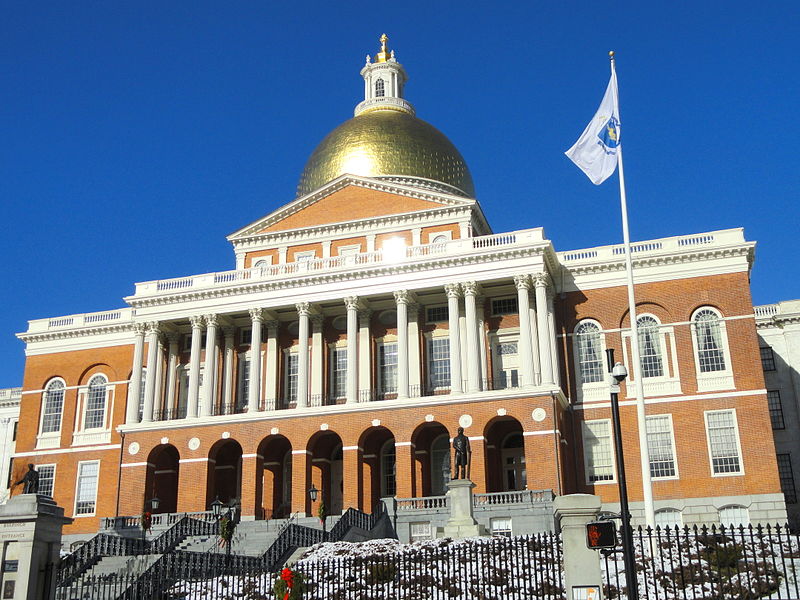
The state Senate last week passed a comprehensive financial literacy bill that will require all public schools to incorporate financial education into their curriculum.
The bill passed the Senate unanimously and is currently being reviewed by the House Ways and Means Committee. Jon Skarin, executive vice president at the Massachusetts Bankers Association, said the bill seems to have broad support in the House.
The bill directs the state’s Department of Elementary and Secondary Education to establish standards for students in kindergarten to grade 12 on personal financial literacy to equip students with the knowledge and skills needed to become self-supporting, and to enable students to make critical decisions regarding personal finances.
“The challenges facing today’s young adults are more encompassing than ever, especially when it comes to managing their finances,” the Massachusetts Bankers Association said in a statement supporting the bill last June. “Our local, national and international economies continue to deal with enormous change and stress. Today’s financial services markets are far more complex and competitive than ever, and consumers of all ages and backgrounds need to be educated on the differences in various products and services, how they work and how to determine which best meet their needs, goals and resources.”
The standards include understanding loans, borrowing money, interest and interest accrual, credit card debt, online commerce, rights and responsibilities of renting or buying a home, saving, investing, planning for retirement, understanding banking and financial services, balancing a checkbook, state and federal taxes, charitable giving and evaluating media content that relates to personal finance matters.
Other standards include saving, investing and planning for higher education or professional training and understanding the impact of cognitive biases on financial decision making.
The bill gives broad latitude to school districts on how they would like to incorporate financial education allowing them to integrate the material into existing mathematics, social sciences, technology, business or other curricula.
DESE shall make resources publicly available to assist in the selection of materials and curriculum on personal financial literacy. It may also apply for federal, state or other funding such as through the Economic Empowerment Trust Fund.
The bill also establishes an advisory committee that will conduct a study on programs on financial literacy being offered in the commonwealth to students in the 2018-2019 academic year, and on the cost of these programs to individual schools and school districts.
According to the MBA, at least 17 states require students to take a course in financial literacy to graduate from high school. Thirty-five states require high schools to offer a personal finance course.
According to a past FINRA study on state financial education mandates in Georgia, Idaho and Texas, young adults in all three states significantly increased their credit scores ranging from 11 points in Georgia to 32 points in Texas.