Photo courtesy of Portal Warehousing
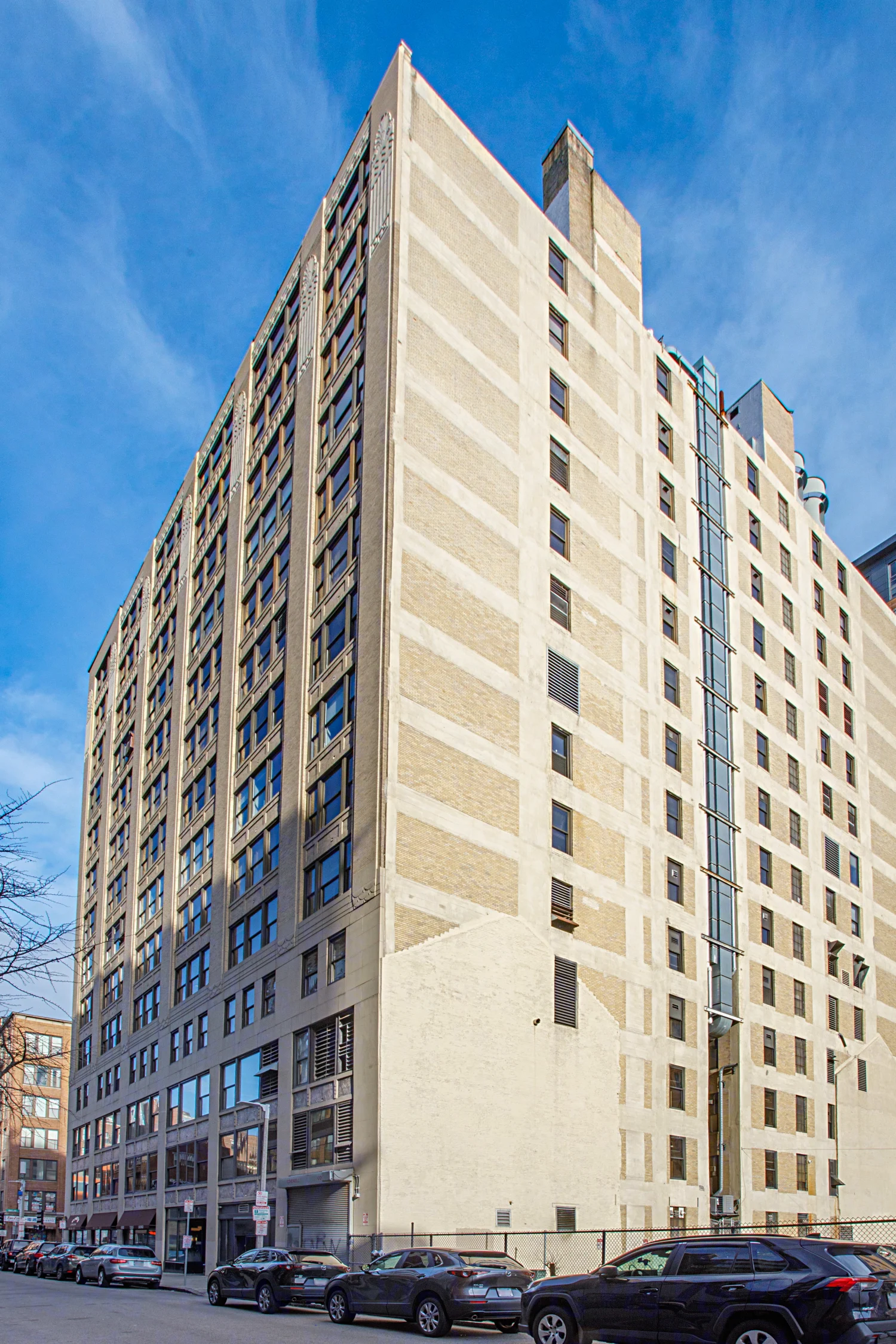
The Hudson Building at the edge of Boston’s Chinatown was built nearly a century ago for garment manufacturing and later converted into office space. Its newest tenant is catering to 21st century tenants’ requirements for scarce industrial space in the urban core.
Portal Warehousing provides move-in-ready suites ranging from 250 to 2,000 square feet designed for companies in sectors such as e-commerce, distribution and building trades.
“We look for dense urban infill markets where there is a massive supply-demand imbalance for smaller industrial space,” CEO Alex Morrison said. “That’s where we start: where are those markets? Downtown Boston is a perfect example because it’s so dense and has very few options for those tenants.”
Availabilities for industrial tenants in Boston have shrunk amid warehouse and flex properties’ steady redevelopment into multifamily housing and higher-renting uses. According to a recent report by brokerage CBRE, the 14 million-square-foot Boston urban industrial market had a 5.1 percent vacancy rate at midyear.
Many industrial companies have moved to the suburbs, but companies ranging from distributors to building trades still prefer proximity to population clusters, highways and airports, Morrison said. Buildings such as 75 Kneeland St. fit the bill for Portal Warehousing because of its remaining industrial infrastructure, such as freight elevators and loading docks, and zoning that allows warehouse and distribution uses, Morrison said.
The company occupies 30,000 square feet at 75 Kneeland St. and is finishing up its interior fitout, with occupancy expected by Labor Day.
The 12-story Kneeland Street property is Portal Warehousing’s fourth location in a multi-story building, following a pair of buildings in New York City and one in Philadelphia.
“We call it loft industrial: These former manufacturing buildings that over time were converted into office, then have stagnated,” Morrison said. “Our thesis is the tenants that were originally in these buildings are still out there. We just need to reprogram for them.”
Portal Warehousing operates under a management agreement with building ownership. In lieu of a traditional lease, its clients sign an inclusive license agreement ranging from six to 18 months.
Portal Warehousing was founded in 2021, as COVID supercharged the e-commerce sector. Catering to companies previously run out of garages and homes, Portal opened its first location in Salt Lake City and has since expanded to 11 locations in the U.S.
Its second local location will open in September at 28 Sycamore St. near Wellington Circle in Medford, spanning 20,000 square feet.