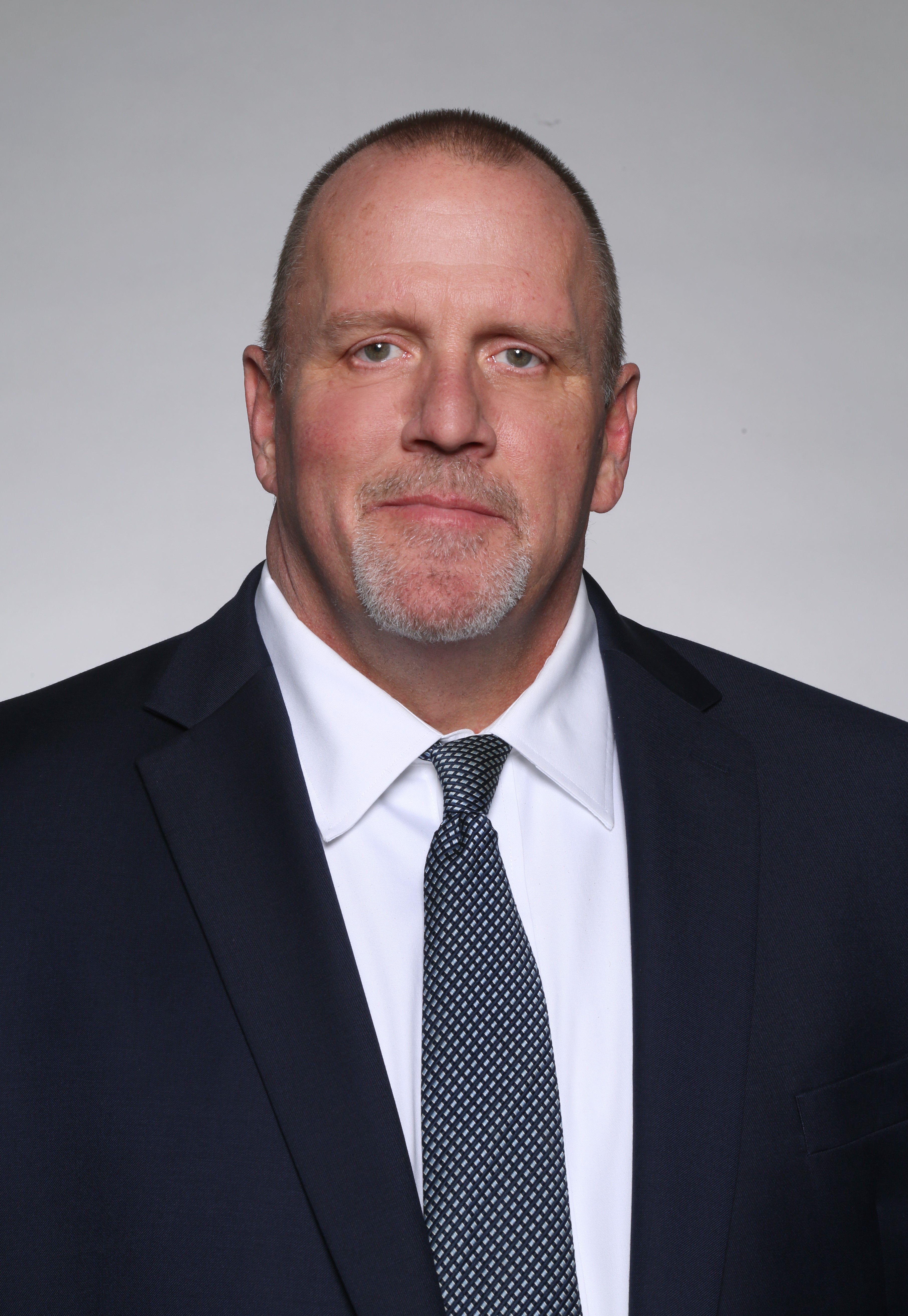
Photo courtesy of East Cambridge Savings Bank
Steven Mead
Senior Commercial Banking Officer, East Cambridge Savings Bank
Age: 53
Industry experience: 30 years
In the wake of Cambridge Trust’s merger with Eastern Bank, Steven Mead now finds himself in a new but familiar working space. Now at East Cambridge Savings Bank, Mead works at a community institution with a similar balance sheet. As a senior vice president and the senior commercial banking officer at ECSB, Mead will report directly to bank President and CEO Timothy Bombard and will have strategic oversight of the bank’s entire commercial lending portfolio, including commercial real estate, construction, commercial and industrial financing and small business lending within the Greater Boston and Massachusetts markets. After some struggles in 2025, Mead is optimistic about the multifamily real estate development sector heading into 2026, and hopes ECSB can use his relationships to grow in that and other areas.
Q: What was your reaction when you first heard the news about the Cambridge Trust-Eastern Bank merger, and what led you to come to East Cambridge Savings Bank?
A: Obviously a little bit of a shock to the system, but being part of senior management at Cambridge Trust, [I] obviously knew in advance that we were going down that road. Initially, it’s like, ‘Oh boy’ but it made sense for both institutions. With Eastern being a lot larger in size, they have a lot of talent in their ranks in the commercial side, [and] it was evident that I wasn’t going to transition with the company, so that was tough after spending 12 years with the institution. A little bit bittersweet but I pulled it all together, [and] made sure my team was in a good place before I departed on legal day one.
I like the fact that when I started at Cambridge Trust, it was right around $1.7 billion in asset size. Here at East Cambridge, we’re at $1.6 billion So, kind of starting at the same starting points, if you will; the major difference being Cambridge Trust was a publicly traded company, and East Cambridge is mutually held. So, as I transition here, I’m excited about the opportunity to help and get back to community banking, which is definitely something that is very appealing.
Q: With that mutual structure, do you feel that you’re able to have more of a long-term perspective, compared to working with a publicly traded company?
A: You operate under the same mentality that you really want to get good business done in a timely fashion. So, you kind of hold yourself to that kind of quarterly look at things, but we have an opportunity to really take a longer look at things as well. At Cambridge Trust, with the quarterly reports, there was always a rush to kind of get things done before quarter-end and it was very difficult for our staff to work on that 90-day cycle. It’s a gerbil wheel where you’re constantly running.
My intention here is to operate a bit the same way, but without that having to report it up. So, you have some of the same urgency, because clients have timeframes with which they want to start the process of looking for a relationship, to when the relationship is up and running. And you’re always cognizant: instead of investors on the mind, now it’s customers. What is their time frame? And make sure that you meet that, which is going to be refreshing to cater to the client versus looking towards quarter-end results.
Q: What are you doing to build out East Cambridge Savings Bank’s commercial lending?
A: We have some great lenders here in the group already. What I’ll be able to bring to the table is just the relationships that have developed over the past 20 plus years in market, and be able to source some opportunities that we haven’t had here in the past. Commercial real estate has been in a funk for the past few years coming out of COVID. Obviously office markets were highly impacted. There’s other asset classes that took pause or caused some angst in the market, whether it’s speculative lab or things along those lines. You’re starting to see a general law in that market where, in the past couple years, there has not been a lot of trades – people selling, people buying.
There was a disconnect on what people were looking to sell, how much they wanted to sell for and what people were willing to buy, coupled with the interest rate environment being higher than it had been in 20 plus years. So, making all the numbers work definitely caused a pause. Since I’ve gotten back in – I started here Oct. 6 – you’re starting to see more and more activity in the market, which is good for banks because it creates opportunities, and it also shows that people are understanding where their underwriting lies as far as the sell side and the buy side. So, I think, I have optimism for 2026 that we’ll see a good amount of transactional volume in the marketplace, but as we’ve seen for the past couple years things can turn quickly.
Q: What will the strategy be behind trying to mitigate some of those risks and construction costs that don’t seem to be shrinking?
A: It’s working with the sponsors in the market that have been in this market for a long time. They understand the intricacies of Arlington or Somerville or Cambridge. And they understand the cost going in is really where you have the ability to make the money on the backside if it’s for-sale-type construction. I think there was a bit of a pause on the multifamily development in the market but it seems like projects are starting to get back on track again. Interest rates became a bit prohibitive to developers to get the margins that they wanted.
With the Fed making a cut, it’s not translating basis point-for-basis point into the long end of the yield curve but it’s moving in the right direction for the developers to start thinking “All right, this is getting closer to making sense from a financial perspective.” The stable of borrowers that we’ve banked here at East Cambridge, we continue to do new projects with them and they understand the market that they’re operating in and what they can reasonably expect on the sales side. They take into consideration, “All right, where do we need to cut if this cost is going up?” That’s, again, working with seasoned veterans within the market, and those are the folks that we tend to bank.
Mead’s Five Favorite Vacation Destinations
- Moose Pond, Bridgton, Maine
- Old Orchard Beach, Maine
- North Conway, New Hampshire
- Tortola, British Virgin Islands
- Hockey rinks wherever his children are playing