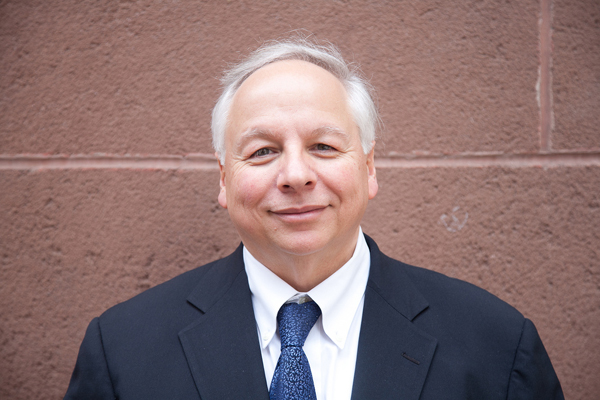
Rick Dimino
Today’s metropolitan Boston area offers a talented workforce and high-quality business climate. These are the two main reasons why Amazon should open its second headquarters in this area. The official submissions from the cities of Boston, Lynn and Somerville all are consistent in emphasizing this message. Boston Mayor Marty Walsh and his team deserve particular praise for their impressive vision on the future of the Suffolk Downs site.
Yet even if Amazon does not choose us, the most exciting part of these presentations is their vision for potential future development throughout this region. Metropolitan Boston is well positioned for new growth zones and these city-building efforts can happen in many neighborhoods, even without Amazon – if we prioritize infrastructure improvements.
Growth management, development impacts and infrastructure projects can be challenging, but when done effectively, they can truly transform communities to benefit both the public and private sectors. Recent examples in the Boston area include the Rose Kennedy Greenway corridor as part of the Central Artery Tunnel project, Assembly Row in Somerville and the explosive growth of the South Boston waterfront. The key elements of the Amazon submissions are fundamentally related to how we use our roads, transit system and the development sites’ future growth.
The metropolitan Boston area is constrained by transportation infrastructure and is at risk from sea-level rise, severe storms and climate impacts. Proper urban and environmental planning and infrastructure enhancements can address these serious concerns. The thoughtful planning work from the city of Boston’s “Imagine Boston 2030” report described specific ideas for a prosperous future in many neighborhoods, and ultimately set a blueprint for new economic centers in the city. These studies started years ago, allowing Boston to seize this opportunity with Amazon, while already realizing the benefits from smart growth infrastructure policies. The population and jobs continue to grow in Boston, and the infrastructure system, housing and transportation network must keep pace.
At Suffolk Downs in particular, the transformation of the race track into a new neighborhood and job center is a once-in-a-generation opportunity. Having grown up in East Boston, I appreciate the efforts to transform this section of the commonwealth and the 1A corridor. Somerville’s pitch to Amazon described a regional corridor in the emerging areas of North Point in the area between Boston, Somerville and Cambridge, as well as the area surrounding Sullivan Square toward Everett. Boston is also excited about the potential at Widett Circle. Finally there is the crown jewel of future growth, just west of downtown Boston, along the Mass. Turnpike at the Beacon Yards space that borders Cambridge and parts of the Harvard campus. This could be a dynamic new neighborhood in a few years. All of these areas can thrive, with the right infrastructure support and implementation of current plans.
Plans Already In Place
The commonwealth and MBTA, together with private investors, need to be key partners in contributing to the infrastructure necessary for these new economic centers. Unfortunately, infrastructure improvements take a long time to receive funding and complete. There needs to be is a new strategy to accelerate these investments and improve the capacity to build the right projects.
The Green Line Extension is important to North Point, Somerville and Cambridge. This project was initiated in a 2006 legal settlement, as mitigation to the Central Artery Project and is currently schedule to be completed in December 2021. The new MBTA Red and Orange Line vehicles were authorized in 2014. These are essential for the growth of Sullivan Square and the entire MBTA service area, but they will not all be delivered and running until 2023. The Red-Blue Connector was canceled by the state in 2010, but this should be a key, beneficial project to connect workers along the Blue Line corridor in East Boston and Revere to the jobs in Kendall Square and throughout Cambridge.
There are significant opportunities discussed in Boston’s transportation master plan, Go Boston 2030, to bring Bus Rapid Transit service, high-speed urban rail, expansion of the Silver Line fleet and ferry service from East Boston to North Station and to the South Boston waterfront. If it takes Amazon’s support to bring focused urgency to these projects, then we should all be hopeful that Amazon comes here, because our transportation system and riders deserve these improvements, and more. Transportation infrastructure improvements will need to go hand in hand with improving the region’s economic resilience and climate challenges.
To realize the full potential of metropolitan Boston’s economy and quality of life, we need to take the smart planning efforts and implement them. The hard work of planning is only second to the harder work of developing a financial and implementation plan to complete these designs. We should all be asking that these exciting visions of our economic future be realized, and not just become ideas of a future we choose not to pursue.
Rick Dimino is president and CEO of A Better City.