MBTA Gains Riding on State Aid, and Volatile Revenues
The surge in state dollars that fueled the MBTA’s recovery leaves the it more reliant than ever on Beacon Hill to hold on to its service gains and make further improvements.
The surge in state dollars that fueled the MBTA’s recovery leaves the it more reliant than ever on Beacon Hill to hold on to its service gains and make further improvements.
The Healey administration is on the record as fans of the book “Abundance,” and the movement it spawned. A look in the weeds of transportation issues shows the fruits.
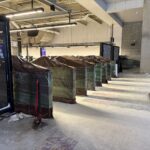
A little more than a month after they first went into use, the fare gates at South Station are now covered with tarps and shrink wrap.
At first blush, the latest budget crunch forecast at the MBTA looks like déjà vu all over again, to borrow Yogi Berra’s famous phrasing.

Business leaders in Massachusetts are starting to call attention to the impending expiration of federal transportation funding, and urging the Legislature to act this spring.
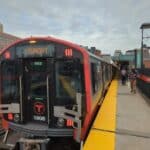
The manufacturer under contract to build the MBTA’s new Red Line fleet will furlough nearly half its workforce in Massachusetts this spring as subway car shells from China remain detained at U.S. ports.

The governor’s pursuit of a second term, with Lt. Gov. Kim Driscoll on board once again, comes “with a commitment to improve the lives of all Massachusetts families, lower costs, and stand up to the Trump Administration’s harms,” Healey’s campaign said.
Last year, state leaders set specific priorities and followed through. But as we begin 2026, we should not confuse incremental progress for long-term success.

Everett’s new mayor is standing behind a deal his predecessor clinched just hours before leaving office, letting a pair of hotels and new transit infrastructure move forward.

Last week, commuter rail passengers started to have to tap or scan their train tickets to enter the track area at South Station, as the MBTA began a major change in fare collection operations.
The MBTA is experiencing “a monumental comeback story” in the eyes of its leadership, as safety and ridership statistics continue to improve despite delays in new train deliveries.
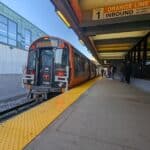
The Massachusetts House last week gave initial approval to studying extending the MBTA’s Orange Line south to Roslindale Village, which would bring core train service to areas seeing new housing investments.

Sustaining the MBTA’s progress, according to several current and former state transit leaders, is going to require new sources of revenue, particularly with future federal funding uncertain.
Greater Boston’s economy is still struggling to regain its footing across many post-pandemic indicators but one success story is quietly driving the recovery: Massport.

You don’t have to read between the lines too closely to see the more constrained approach MBTA officials want to take to construction projects and big-ticket maintenance in the near future in its capital investment plan.
Gov. Maura Healey office said Tibbits-Nutt “plans to return to private industry,” but the departure comes amid allegations of misconduct in a failed effort to pick a new state rest-stop operator.

Before a national audience of transit leaders on Monday, Lt. Gov. Kim Driscoll offered an optimistic rebranding of Massachusetts’ troubled public transit systems.
The next big transportation funding bill is beginning to take shape at the federal level, and Massachusetts needs to be strategic.
Scofflaws take notice: The MBTA announced Thursday it will launch a renewed effort to collect subway fares with written warnings and fines of up to $150 early next month.
Nine years after pulling the plug on a prior weekend late-night service program, the MBTA this month will begin running all subways and several popular bus routes about an hour longer into the night.