

MBTA Dips Toe Back Into Late-Night Subway Service
Nine years after pulling the plug on a prior weekend late-night service program, the MBTA this month will begin running all subways and several popular bus routes about an hour longer into the night.
Nine years after pulling the plug on a prior weekend late-night service program, the MBTA this month will begin running all subways and several popular bus routes about an hour longer into the night.

The head of the MBTA is “very confident” the Chinese manufacturer building new Red and Orange Line trains will be able to fulfill federal requests for information that have reportedly delayed delivery of new cars to the United States.
This is a real setback for this once-in-a-generation opportunity. But it’s far from the final chapter – and we still have hundreds of millions of dollars to work with.
The bill’s likely harms to Bay Staters who rely on healthcare and food assistance are well known. But it will also make it harder to make the investments we need to secure Massachusetts’ future.
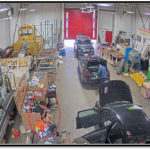

MBTA overseers on Tuesday unanimously approved the latest five-year plan to invest in systemwide improvements, embracing a $9.8 billion roadmap that one watchdog group called a “nuts and bolts” approach.
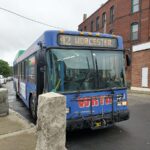
Beacon Hill is immersed in debate over how many more millions of dollars to devote to the MBTA, but transit services outside of the T region are absorbed in their own challenges they must face with even less funding.

Senate Democrats want to send only $370 million to the MBTA under a new spending plan fueled by excess surtax revenues, much less than the House approved across workforce, infrastructure and reduced fare investments at the beleaguered transit agency.
The MBTA is writing its next long-range plan right now, but investments like new train lines and BRT networks that can unlock development won’t happen without industry input.

The hiring blitz at the T will keep going full steam ahead. Or it probably will, at least if the MBTA’s final budget looks like the preliminary version that’s up for a vote Thursday.
One of the most promising places to expand Greater Boston’s economy is in Allston. Proposals to build a rail yard there threaten this goal, and the bigger goal of proving we can deliver big infrastructure projects.
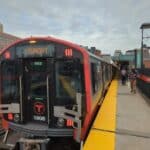
House Democrats will seek a vote this week on a roughly $1.3 billion spending plan that would inject hundreds of millions of dollars into the MBTA as the agency wrestles with a major budget gap.
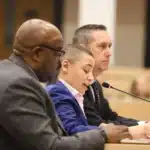
The administration says the MBTA needs the $870 million to stay afloat and preserve progress made in the last two years, but “this didn’t look like equity or anything close,” two legislators say.

The MBTA has not had any federal grants rejected or revoked amid a major belt-tightening campaign by the Trump administration, according to the T’s top boss, who also warned that tariffs could impact costs for materials purchased by transit agencies around the country.

The survey indicated residents remain in a fiscally conservative mood, but they are open to studying other ways to pay for transportation upgrades and improvements, such as congestion pricing.

Gov. Maura Healey plans to board a train in Fall River Monday morning, marking a seemingly improbable dream ride for southeastern Massachusetts residents who had expected commuter rail service to be restored to the area decades ago.
With the subway cars on its biggest line so old that it’s having to run shorter trains to prevent putting broken trains on the tracks, the fate of CRRC-made trains is a vital concern.
Even with billions of dollars in proposed new funding, the MBTA still faces tough choices about how to allocate its resources. Power systems, signals and suburban train infrastructure should be its focus.

The MBTA expects fare gates to be operational at two more Boston commuter rail hubs later this year, the T’s general manager said after a state watchdog criticized the agency’s approach to fare collection.
Suburban transit isn’t just about getting people to work – it’s about supporting local economies and making Greater Boston more livable. But right now, it is treated as an afterthought.