
by CommonWealth Beacon | Apr 11, 2024
Only days after announcing a plan to seek state approval to raise property tax rates on commercial property owners, Boston Mayor Michelle Wu filed a $4.6 billion budget plan for 2025 that would hike city spending by 8 percent, or $344 million.
by Banker & Tradesman | Mar 24, 2024
Money for a sewer and water connection isn’t headline news – unless it means unlocking 6,000 long-anticipated housing units near a commuter rail station.

by State House News Service | Mar 12, 2024
With the region already grappling with workforce shortages, a quarter of young professionals living in Greater Boston intend to move elsewhere over the next five years as they navigate their career prospects and housing affordability, a new survey released Monday found.

by Banker & Tradesman | Jan 22, 2024
Who’s on the move? From new VPs to fresh project managers, see who’s been hired, promoted and honored: It’s The Personnel File.
by State House News Service | Jan 18, 2024
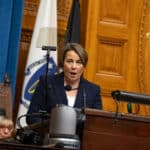
Gov. Maura Healey launched into her second year as...

by State House News Service | Dec 4, 2023
The workforce shortage that has left employers across sectors scrambling to keep operations running in recent years isn’t likely to let up “any time, in the rest of anybody’s lifetime,” one of the nation’s leading economists said Thursday.

by Banker & Tradesman | Nov 7, 2023
Three figures in the local commercial real estate scene and one local banker were honored by the Greater Boston Chamber of Commerce.

by Scott Van Voorhis | Sep 17, 2023
Boston’s mayor is finally keeping her pledge to rezone the city for more growth. But she’s up against forces her three predecessors couldn’t tame and some of her helpers may lack local knowledge.
by Steve Adams | Sep 13, 2023
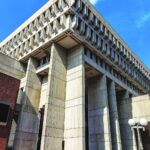
Neighborhood business districts and transit hubs across Boston would be positioned for higher-density development and fast-track approvals under a zoning reform plan announced today by Mayor Michelle Wu.

by State House News Service | Aug 30, 2023
Some of the powerful players in Massachusetts’ business community are getting impatient for long-promised, and long-delayed, tax relief as August stretches on without action.

by James Sanna | Aug 17, 2023
State housing officials announced Thursday afternoon that they will let Boston-area towns and cities add a potentially controversial requirement for mixed-use buildings to zoning changes designed to comply with the MBTA Communities transit-oriented zoning law.

by James Sanna | Jun 30, 2023
The U.S. Supreme Court may have only struck down colleges’ and universities ability to use affirmative action to make sure their student bodies are more diverse, but the head of the Greater Boston Chamber of Commerce is warning that the ruling could threaten local companies’ efforts to diversify their workforces.

by James Sanna | Mar 10, 2023
The head of the MBTA’s oversight board came under strong criticism from one of the state’s top business leaders for declaring that the transit service’s still-low ridership levels represent a “new normal”

by State House News Service | Mar 7, 2023
One of the region’s leading business groups called Monday for the Healey administration to offer the next leader of the MBTA a sizable pay raise, arguing that the agency needs better compensation to attract the talented candidates needed for the challenging job.
by State House News Service | Feb 2, 2023
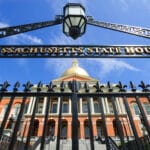
Quintupling the estate tax threshold and slashing the capital gains tax rate led the tax reform ideas embraced Wednesday by one of the region’s leading business groups. But House Speaker Ron Mariano remained noncommittal about any tax cuts, citing changing economic conditions.

by State House News Service | Jan 25, 2023
As remote work gives some Massachusetts workers the opportunity to move out of state, and high housing costs and transportation woes drive others out, Boston businesses are calling for a statewide housing plan, new MBTA leadership and greater government support for apprenticeship programs.

by James Sanna | Sep 29, 2022
In her first speech to the Greater Boston Chamber of Commerce as mayor, Michelle Wu laid out a range of policy priorities that her administration is working on to boost businesses.

by Diane McLaughlin | Sep 26, 2022
Boston Federal Reserve President Susan M. Collins expects a “somewhat higher unemployment rate” as the Federal Reserve continues its steps to bring down inflation.

by State House News Service | Sep 22, 2022
An organization that holds considerable sway on Beacon Hill and among the state’s business community on Tuesday reaffirmed its longstanding opposition to the income surtax amendment that will appear on this November’s statewide ballot.

by State House News Service | Mar 23, 2022
In his first in-person speech to the business community in two years, Gov. Charlie Baker said Tuesday he will offer some “unusual approaches” later this week to help people get back to work as he made a pitch for an agenda in his final year in office that includes investing in behavioral health and helping cities and towns redesign their downtowns for a post-pandemic future.






