
by Steve Adams | Mar 9, 2023
A pro-housing advocacy group is expanding its staff to accelerate compliance with Massachusetts’ Housing Choice law, which requires 175 communities in eastern and central Massachusetts communities to allow high-density multifamily development.
by Steve Adams | Feb 22, 2023
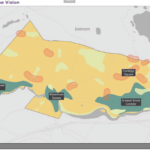
Three Watertown neighborhoods are suitable for transformational development including additional multifamily housing, a draft comprehensive plan recommends.
by Banker & Tradesman | Jan 8, 2023
From the laudable words in her inauguration speech last week, it seems like Gov. Maura Healey wants to surpass former Gov. Charlie Baker as our most pro-housing leader of the 21st century – no mean feat.
by Banker & Tradesman | Jan 8, 2023
Justices made clear that 40B developments were covered by a provision of Housing Choice meant to deter anti-development abutter lawsuits, and set boundaries on how it could be used.
by Banker & Tradesman | Jun 19, 2022
New Census data has highlighted what so many renters and would-be homebuyers have struggled with for years: Massachusetts’ housing costs are out of control. This latest data likely isn’t a surprise to my fellow business leaders who have seen firsthand the damage it’s done our state and economy.

by James Sanna | Jun 9, 2022
The MBTA’s oversight board received a stark warning Thursday morning: Without more state transit funding, plans to build thousands of new homes near train stations will be in peril.

by Scott Van Voorhis | May 22, 2022
The jury’s still out on Gov. Charlie Baker’s signature housing initiative, but the signs aren’t good it’s up to meeting the sheer scale of Massachusetts’ homes shortage.
by Banker & Tradesman | Apr 3, 2022
A fallacy is spreading through some tony Boston suburbs that the state’s new “MBTA Communities” and other proposed transit-oriented zoning requirements take away towns’ ability to govern development within their borders.

by Scott Van Voorhis | Apr 3, 2022
Home prices and rents are hitting astronomical heights in Greater Boston, but legislative leaders are pushing back on an effort to make a even more significant dent in the state’s housing shortage.

by Steve Adams | Mar 13, 2022
The state’s Housing Choice zoning reform is spurring a conversation about density in one of the most unlikely places: Lexington’s quaint, history-filled town center.
by Banker & Tradesman | Feb 20, 2022
For the first time in many years, housing production policy in Massachusetts is moving in the right direction. Now, we need to double down on policies that work, not adopt policies counterproductive to housing production.

by Steve Adams | Dec 26, 2021
Massachusetts communities have their marching orders...
by Banker & Tradesman | Dec 19, 2021
Secretary Mike Kennealy and his team at the Department of Housing and Community Development have seemingly pulled off a notable feat: finding a way to push Boston’s suburbs to allow more development without pushing so hard as to violate Massachusetts’ sacred values of local democracy.

by James Sanna | Dec 17, 2021
The draft guidelines are less than 72 hours old, but already housing advocates and scholars are calling rules implementing a year-old transit-oriented zoning law a major victory in the fight against Massachusetts’ housing crisis.

by James Sanna | Dec 16, 2021
The state Department of Housing and Community Development has finally released a package of draft guidelines implementing one of the most consequential elements of the Housing Choice law passed in early January.
by Banker & Tradesman | Sep 19, 2021
By sharing experience and expertise around housing and real estate, we can both elevate the quality of public discussion and favorably influence how our communities try to take advantage of the new Housing Choice zoning reform.

by Jay Fitzgerald | Aug 15, 2021
Cape Cod’s housing woes run much deeper, literally, than the problems facing other communities across the state.

by Jay Fitzgerald | Jul 25, 2021
Housing experts, developers and business leaders have high hopes that the recently passed Housing Choice Act will boost housing construction in Massachusetts, reversing a decades-long decline in the number of units built each year in the Bay State.
by Banker & Tradesman | Jul 25, 2021
The benefits of home ownership to an individual and to a community are numerous and expansive, and the Massachusetts Association of Realtors is proud to support a state bill to help first-time buyers.

by State House News Service | May 7, 2021
With zoning reforms that he sought for years to accelerate housing production now law, Gov. Charlie Baker said Thursday that failing to spark more production as the state moves past COVID-19 would be a “huge missed opportunity.”






