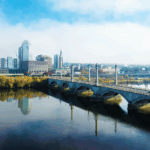
Springfield Ties Future to Gaming
The MGM casino revitalized an area of the city heavily damaged in a 2011 tornado. It’s now generating millions of dollars in taxes and thousands of permanent jobs.
The MGM casino revitalized an area of the city heavily damaged in a 2011 tornado. It’s now generating millions of dollars in taxes and thousands of permanent jobs.
Permitting reforms can still accelerate housing production in Massachusetts this year, while avoiding much of the controversy surrounding state-driven zoning reforms.
The prospects of refinancing many office projects are low, given their plummeting valuations. But resolving this with a deed in lieu of foreclosure carries unique tax implications.
Last year, state leaders set specific priorities and followed through. But as we begin 2026, we should not confuse incremental progress for long-term success.
From physical risks to scheduling delays to evolving building codes, climate change’s growing impact on healthcare construction requires proactive planning.
What once seemed politically impossible is now happening across red, blue and purple states alike, in ways that should inspire us here in Massachusetts.
Amid a wave of innovation, one truth remains: local banking remains essential – not just for convenience, but for the economic health of Massachusetts.

These pieces charted the challenges, innovations, big ideas and criticism in the real estate, housing policy and urbanism worlds.
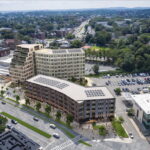
By focusing so intently on rental development and preservation, Massachusetts also risks neglecting the importance of addressing barriers to homeownership.
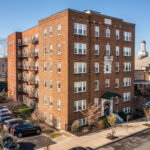
As we approach 2026, transaction volume in the Greater Boston multifamily market has rebounded, and investors remain bullish about the region.
MBTA Communities Act opponents deride it as an “unfunded mandate” even though academic studies show multifamily housing usually pays more than the services it consumes.

CEDAC’s financing and technical assistance programs have contributed to the production or preservation of over 455,000 homes statewide
Building resilient commercial corridors means changing the way communities engage, access resources and build long-term networks.

The transformation of 1200 Massachusetts Ave. in Harvard Square blends architectural preservation, modern innovation and a reinvestment in the cultural and residential fabric of Cambridge.

Massachusetts must center design throughout the entire life cycle of housing: how we regulate, finance, build and live together.
State legislators are considering a commission to study an idea that could create 130,000 new homes in Greater Boston. Towns and cities could be moving even faster.
This year did not bring half the success we wanted, but the successes we did see brought hope to build upon at the state and local level.
The people buying homes in America these days show real estate agents need to rethink where they focus their lead-generating energy next year.
Unlocking housing supply in Massachusetts will also require serious reforms in building code, development oversight and dimensional regulation.
There’s a rising fascination with helping homebuyers access their first homes. But it won’t fix the core issue: We don’t create many new affordable homes for sale.