





Residential Conversion Will Electrify Downtown Office Building
A developer will take the opportunity of Boston’s residential conversion program to electrify a 14-story downtown office building’s utilities while creating 75 apartments.
A developer will take the opportunity of Boston’s residential conversion program to electrify a 14-story downtown office building’s utilities while creating 75 apartments.

Office-to-residential conversions in Boston just something of a milestone: a big step change in the size of proposed projects.

Boston planning officials approved new downtown zoning regulations designed to encourage development of multifamily housing and reinvigorate investment offsetting declines in office occupancy.

The first residents of the first downtown Boston office building converted to apartments with city tax incentives have moved in.

Our study of Boston’s One Lincoln and a successful conversion of a similar New York City office building show underutilized office towers can, in fact, become viable and vibrant housing.

Could Boston be faced with a repeat of the infamous Tregor decision, the decades-old state court ruling that upended city finances? A top city real estate lawyer thinks so, and he’s urging Boston’s mayor to take precautions.

Greater Boston’s office market was showing signs of momentum before a financial services standard bearer provided a stark reminder about the new normal in workspace demand.

For years, downtown office buildings were a solid bet for the public employee pension funds. Recent sales in downtown Boston show that’s not the case, anymore.

The city will also launch its first-ever anti-displacement program, Mayor Michelle Wu said during her annual State of the City address.

Political heavy-hitters, from Mayor Michelle Wu to North End state Rep. Aaron Michlewitz and Suffolk County District Attorney Kevin Hayden, gathered with downtown residents and other stakeholders last week.

Boston Mayor Michelle Wu suggested Monday that she hasn’t heard much feedback from Beacon Hill about the latest version of her property tax shift plan, just before a City Council committee hearing launched City Hall’s third attempt at getting a home rule petition through the Legislature.

The latest Boston downtown rezoning plan heads for approval next month with a new high-rise district designed to stimulate housing development.

The latest eye-catching – if potentially slightly unsettling – and humorous downtown Boston art installation is here.

The nonprofit that serves as a main advocate for Boston’s downtown and downtown businesses is changing up its name as it rolls out its latest economic development initiative.
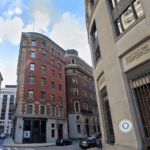
A mostly-vacant office building in Boston’s Financial District is the latest to join the city’s incentive program encouraging residential conversions.

Boston is at a critical juncture as it faces a growing housing shortage alongside an abundance of underutilized office space. But the scale of conversions here has, so far, been underwhelming.

Gone unnoticed amid all the heated debate are signs that the underlying problem – the decline in office building values – may be even more serious than first thought.

The good news is that Boston’s 2025 tax revenue crisis may not be as bad as some have feared. The bad news is office values may have further to fall.
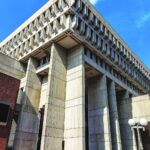
Updated assessment data from Boston City Hall shows a smaller projected increase in residential property taxes in 2025, but Mayor Michelle Wu is still lobbying for legislation shifting a larger portion of the tax levy onto commercial properties.
Converting an office space to housing has big benefits, but can be even more expensive than building housing from scratch. Political and business leaders must come together to find feasible solutions.

