





An April Fool’s Joke Says a Lot About Our Housing Struggles
As Wellesley residents fight to stop a local parking lot from being developed into badly needed housing, more than a few people see another sad display of NIMBY nuttiness.
As Wellesley residents fight to stop a local parking lot from being developed into badly needed housing, more than a few people see another sad display of NIMBY nuttiness.

Massachusetts is starting to see a growing number of people head for the exits, from young professionals and families just starting out to wealthy couples nearing retirement.
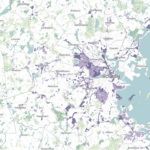
A new project from a Suffolk University team shows just how little residential land in Massachusetts is legally primed for multifamily development: just 4 percent.

Talk about playing with fire: Some of the most affluent and politically progressive cities and towns in Massachusetts are the staunchest supporters of a draconian, statewide rent control proposal.

The 2022 Boston development bust and the tough permitting environment gave a big edge to national developers. That’s weighing on the mind of Jim Grossman, once one of the local industry’s rising stars.

Many Massachusetts pols have embraced the YIMBY Gospel. But why won’t Gov. Maura Healey or her Republican challengers get behind the biggest effort to unlock starter homes?

Thousands of union construction workers are taking part-time jobs or heading to other states thanks in part to Mayor Michelle Wu’s policies. Why doesn’t she take it more seriously?
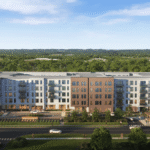
Between office parks it owns in Waltham, Weston and Lexington, the office mega-landlord now has plans to add around 2,300 new homes in the western Route 128 corridor.

The biggest swing factor in the upcoming Massachusetts rent control fight will be how the media covers the ballot question.

Maybe it’s time elected leaders should try radical honesty about what it will take to build so many homes that prices come down.

Wouldn’t it be better to see our mad emperor channel some of his maniacal energy into the idea of tackling an increasingly dire housing crisis?

Hot it is not. In fact, stone cold might be a more apt descriptor of downtown Boston’s once sizzling multimillion-dollar luxury condominium scene.

Gov. Maura Healey’s “State Land for Homes” push is putting her and the public good on a collision course with a vocal minority that’s used to calling the shots.
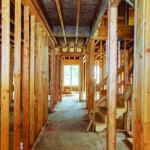
From the Twin Cities in Minnesota, to the metropolises of Europe, Asia and Africa, rent control has devastated new apartment construction, studies and experience show.

She has a chance to look magnanimous in an increasingly heated tax dispute between City Hall and office tower owners. Instead, she’s digging in.

Is this truly a serious effort by the Wu administration to overcome stiff opposition and get its controversial plan over a big legislative hurdle?

Ads and harsh warnings won’t be enough to convince voters to turn away from rent control. Industry and sympathetic politicians will need to show voters a better world, first.

It’s that time of year again, when we recognize the dumb ideas, political cowardice and dodo development plans that add a little extra spice to life in Massachusetts.

Voters are boiling over with frustration as costs escalate in almost every segment of their lives. Will they go for rent control, or new construction as the solution to housing costs?

We all agree Massachusetts needs more housing. To get there, do we need a shinier, more tempting carrot, a bigger stick or something in between?

