




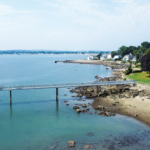
Massachusetts Is Falling Behind in Regulating Coastal Risks
The seas are rising. Storms are getting more intense. Flood zones are shifting. We have the tools to see the road ahead, at least partially. The challenge is changing course.
The seas are rising. Storms are getting more intense. Flood zones are shifting. We have the tools to see the road ahead, at least partially. The challenge is changing course.
From severe storms to nuisance flooding, Boston is facing accelerating costs from climate change. But fortunately, there are several ideas on Beacon Hill that would help pay for infrastructure to protect us.

Pledging to file a federal lawsuit if its calls for change are not met, the Conservation Law Foundation on Wednesday alleged that the Boston region’s water and sewer authority has repeatedly failed to enforce pre-treatment standards and allowed its users to pump water with excessive pollutants.
The state’s inadequate state building codes don’t take climate impacts into account. Not only is this a major economic and safety risk, but it could also leave the entire real estate industry vulnerable to legal liabilities in the future.

The Suffolk Superior Court dealt a major setback in April to The Chiofaro Co,’s proposed 600-foot mixed-use tower at the Harbor Garage site near the New England Aquarium in Boston. But the plaintiffs’ victory may only be temporary.

Boston Mayor Marty Walsh’s pro-housing agenda delivered benefits to the city but critics say Walsh missed opportunities to make development more equitable and address the transportation and climate change crises.
Boston Harbor is nationally renowned as a maritime resource with a long and distinct history of social and economic uses but building the next generation’s waterfront requires a reinvention of one of our greatest assets – the working port.

As it studies future options for its 34-acre World Shaving Headquarters property in South Boston, Gillette Co. is seeking to remove some state oversight over what could be built next on portions of the prime waterfront real estate.

Developer Don Chiofaro has filed plans for a 600-foot-tall tower on the site of Boston’s Harbor Garage after years of hints and legal and political wrangling.

“Not in my backyard” could be the state motto in Massachusetts, where major real estate developments routinely endure costly legal challenges. The Chiofaro Co.’s proposed 600-foot mixed-use tower at the Harbor Garage site near the New England Aquarium in Boston is an example.

A judge’s ruling in a high-stakes dispute over proposed new zoning will keep a pair of major Boston waterfront developments on the drawing boards rather than closer to groundbreaking.

Conservation Law Foundation is on the front lines of battles over real estate and transportation planning in New England, from the downtown Boston waterfront to a commuter rail project serving an emerging development cluster in Allston. And Bradley Campell is its general.

The Conservation Law Foundation said it is planning to sue the Massachusetts Department of Transportation after officials illegally eliminated the Interstate 93 high-occupancy vehicle lane to allow all traffic to use the lane north of Boston.
Many Bostonians of color find one of the city’s crowning jewels, the Seaport District, a hostile and unwelcoming place, a new survey has found. Fortunately, there’s still time to do something about it.

A new survey has found significant numbers of Boston’s black and Latino residents see the Seaport as a hostile and unwelcoming place, and many city residents feel the area is too expensive and exclusive.
Who is ultimately responsible for ensuring buildings are prepared for climate change? That’s the question facing design professionals and other decision makers, in the aftermath of extreme weather and in light of increasingly public information on the foreseeability of climate risks.

Despite steady progress toward achieving most of its goals for improvement, the MBTA is lagging on several infrastructure- and customer-related benchmarks outlined two years ago in its strategic plan, according to the first in-depth review of that plan.

