





Mass. Jobless Rate Ticks Down, But Picture Fuzzy
The statewide unemployment rate dropped to 3.7 percent in June, while employers added 3,400 jobs following a significant downward revision to the May figure, labor officials announced Friday.
The statewide unemployment rate dropped to 3.7 percent in June, while employers added 3,400 jobs following a significant downward revision to the May figure, labor officials announced Friday.
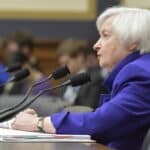
Treasury Secretary Janet Yellen on NBC’s “Meet the Press” on Sunday said the U.S. economy is slowing but pointed to healthy hiring as proof that it is not yet in recession.

The number of Americans applying for unemployment benefits last week rose to the highest level in more than eight months in what may be a sign that the labor market is weakening.

Federal Reserve officials were concerned at their meeting last month that consumers were increasingly anticipating higher inflation, and they signaled that much higher interest rates could be needed to restrain it.
Recession and inflation concerns conspired in June to leave Massachusetts employers on the verge of switching to a pessimistic posture.
A measure of inflation that is closely tracked by the Federal Reserve jumped 6.3 percent in May from a year earlier, unchanged from its level in April.
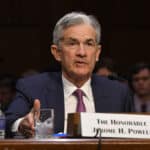
Federal Reserve Chair Jerome Powell said there’s “no guarantee″ that the central bank can tame runaway inflation without hurting the job market.
U.S. consumer confidence slipped to its lowest level in 16 months as persistent inflation and rising interest rates have Americans as pessimistic as they’ve been about the future in almost a decade.

The Federal Reserve’s largest interest rate hike in nearly three decades likely will put a kink in Greater Boston’s housing pipeline, increase apartment rents and weed out some development firms.
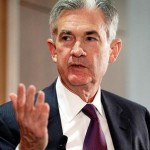
Federal Reserve Chair Jerome Powell sought Wednesday to reassure the public that the Fed will raise interest rates high and fast enough to quell inflation, without tightening credit so much as to throttle the economy and cause a recession.

Treasury Secretary Janet Yellen said Sunday that she expects the U.S. economy to slow in the months ahead, but that a recession is not inevitable.
Federal Reserve Chair Jerome Powell has pledged to do whatever it takes to curb inflation, now raging at a four-decade high and defying the Fed’s efforts so far to tame it.

President Joe Biden said Thursday the American people are “really, really down” after a tumultuous two years with the coronavirus pandemic, volatility in the economy and now surging gasoline prices that are slamming family budgets. But he stressed that a recession was “not inevitable” and held out hope of giving the country a greater sense of confidence.

The World Bank has sharply downgraded its outlook for the global economy, pointing to Russia’s war against Ukraine, the prospect of widespread food shortages and concerns about the potential return of “stagflation” – a toxic mix of high inflation and sluggish growth unseen for more than four decades.
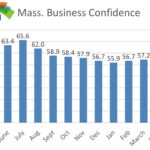
After rising slightly in each of the previous three months, business confidence in Massachusetts took a significant tumble in May.

A confluence of factors – the expiration of federal stimulus checks and surging inflation on staples like gas and food – are driving an even bigger wedge between the haves and have-nots.

After months of robust hiring, U.S. employers might have pulled back slightly in May, to levels that would still be consistent with a healthy job market, despite high inflation and rising borrowing costs.

Federal Reserve officials agreed when they met earlier this month that they may have to raise interest rates to levels that would weaken the economy as part of their drive to curb inflation, which is near a four-decade high.
While the Fed is desperately hoping for a ‘soft landing’ for the United States, it looks like it’s becoming harder to avoid a recession.
Federal Reserve officials are signaling that they will take an aggressive approach to fighting high inflation in the coming months – actions that will make borrowing sharply more expensive.

