





Procopio Begins Haverhill Riverfront Development
With construction financing from Needham Bank, Procopio Cos. has broken ground on redevelopment of a Haverhill property as 290 apartments.
With construction financing from Needham Bank, Procopio Cos. has broken ground on redevelopment of a Haverhill property as 290 apartments.
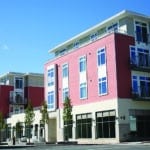
The Smart Growth Zoning and Housing Production Act, also known as Chapter 40R, has had mixed results. But the Boston suburb of Reading has embraced embraced it, with positive outcomes.
Restrictive zoning has locked many out of opportunity, with dire consequences for our communities and our environment.
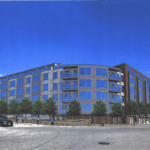
The developer behind a project planned for Boston’s most southerly neighborhood is asking city officials for permission to convert the project from a mix of condominiums and rental units to fully rental units.

Conceptual development plans for the MBTA’s Wellington station in Medford call include offices, lab space, hotels and up to 1,450 housing units on the 28-acre site.
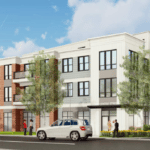
Trinity Financial has unveiled a proposal to redevelop a Dorchester commercial property that’s been eyed for multifamily housing since 2016.

Experts say South Coast Rail will operate so infrequently, and will be so expensive to ride, that few developers will have an incentive to build speculative housing developments near its far-flung stations.

Under modifications approved Monday night, barring other zoning laws, no development will have to provide off-street parking for its users in the hope this will help lower development costs.
Cambridge and California took big steps last week to shed mandated parking minimums in transit-connected areas to help build more reasonably-priced housing and cut carbon emissions.
Massachusetts’ environmental regulations force developers to prioritize cars when climate change and political polling show a different approach is needed.

The month-long closure of the MBTA’s Orange Line is not putting off potential biotech tenants in transit-dependent locations despite the “headaches” it’s causing.

The city of Medford will offer 28 acres of air rights development over the MBTA’s Wellington station, setting the stage for a potential massive transit-oriented development on the Orange Line.

Under its new CEO Peter Gottlieb, Hobbs Brook Real Estate is diversifying the geography and asset mix of its real estate portfolio from its traditional office and lab stomping grounds along Route 128 to different asset classes and regions of the country.

The first large apartment complex has been proposed in Framingham since the city’s 15-month multifamily development moratorium expired.

It wasn’t all that long ago that Boston’s luxury housing ecosystem centered on Back Bay and Beacon Hill. Now, competition with lab developers has ushered in a new crop of submarkets for high-end housing – including some that might surprise you.
The MBTA’s plans to redraw its bus network should excite even the most cynical observer – and they hold promise for the real estate industry, as well.

In the grand sweep of history, transit-oriented development is nothing new in Boston, as epitomized by Revere’s former Wonderland amusement park.

The state’s Housing Choice zoning reform is spurring a conversation about density in one of the most unlikely places: Lexington’s quaint, history-filled town center.
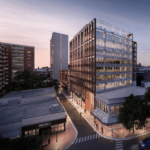
Companies looking to tap into a large, accessible workforce can also draw young professionals by touting their proximity to something unique in all of New England, Malden’s Gaming District.
Massachusetts’ new transit-oriented zoning law has the potential to restore town centers and bring rental prices down to a more affordable level. But it needs the help of workers and businesspeople in the Massachusetts real estate industry to succeed.

