





Boston Renters Getting Concessions
New data shows Greater Boston’s landlords are increasingly willing to give away things like a free month of rent as the apartment market slumps.
New data shows Greater Boston’s landlords are increasingly willing to give away things like a free month of rent as the apartment market slumps.
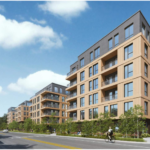
A shaky job market, domestic outmigration and immigration crackdowns are combining to keep a lid on apartment rents across the region.
Greater Boston’s rent and construction trends make it one of only six landlord-friendly markets in the United States even as a rent control ballot question looms.

The median asking rent in the Boston metro area was $3,121 in August, up 8 percent from the same time last year.
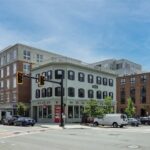
Apartment rents shattered another barrier in Greater Boston, reflecting the steep downturn in construction of new developments since 2022.

Within the 50 biggest U.S. metros, only 294,000 multifamily units were permitted in 2024, Realtor.com said: a 7.5 percent drop from 2020.

The drop in median rent can be credited to an increase in supply as rental stock increased across the Northeast, Realtor.com economists said.
Still, the share of renter households that pay under $1,000 in monthly rent is at an all-time low according to a new report from Redfin.

While Gen Z renters have it easier than their Millennial counterparts nationwide, in Greater Boston, they actually face the greater rent burden.
With rent and mortgage payments encompassing almost half of one’s earnings in Massachusetts, it is becoming increasingly harder – and in some cases impossible – for residents to have financial stability.

A recent Redfin report said Greater Boston now has one of the highest median asking rents across the country.
While the median asking rent has dropped marginally year-over-year, Greater Boston renters are faced with the fifth-highest financial burden in the country.
While prices continue to rise in New England, owning a home might be more affordable than renting for some.

Executives with Equity Residential and AvalonBay told stock analysts that low rates of housing production in Massachusetts let them raise rents nearly 5 percent year-over-year.
Rents are most expensive in large coastal markets, but are growing fastest in more affordable markets in the Northeast and Midwest.
Other cities’ experiments with “rent control 2.0” offer clues to how Boston Mayor Michelle Wu may try to fulfil a key campaign promise while keeping developers on-side.
Affordable and middle-income workforce housing is critical to the region’s competitiveness, and NAIOP believes that solutions focused on housing production and expanding rental assistance are a better focus for policymakers.
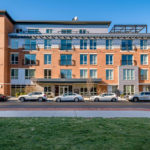
One of Greater Boston’s biggest apartment landlords said average rents have risen by double-digits in the past year, with “robust pricing power” driving increases earlier in the year than usual.

Northeastern’s attempt to rent hundreds of rooms in the Sheraton Boston can make a difference reducing pressure on working families’ rents by taking students out of the market. Then why aren’t NEU students supporting it?
Returning to “normal” shouldn’t mean skyrocketing rents and home prices. Yet, that’s what we’re seeing happen across the state. It’s time we put the lessons learned over the last two years into practice to fix the housing crisis.

