




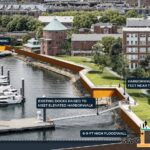
City: Proposed Seawalls Could Leave Major Industrial Areas Exposed
A set of draft recommendations from the federal government leave out major parts of Boston’s economy like the Flynn Marine Industrial Park, the city said Monday.
A set of draft recommendations from the federal government leave out major parts of Boston’s economy like the Flynn Marine Industrial Park, the city said Monday.
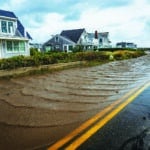
Massachusetts environmental officials are ripping the band-aid off what was once a third rail: calling on the state to establish a voluntary buyout program for homes at risk of being consumed by rising seas.
The Wharf District Council faces its most daunting challenge: coming up with the actual funds to pay for what it says are vital protections for downtown Boston.

The waters of Cape Cod Bay are coming for the big brown house perched on the edge of a sandy bluff high above the beach. It’s just a matter of when.
Massachusetts has more than 1,500 miles of coastline across 78 communities that count nearly 2.5 million people as residents, and the Healey administration on Tuesday mapped out the skeleton of its strategy for preparing those areas to deal with the impacts of a changing climate.

Hundreds of millions of dollars of property taxes are on the line if sea level rise driven by climate change eats away at coastal home values, the report warns.

Boston officials are asking engineering firms to come up with solutions to flooding that threatens one of the downtown’s top transportation and tourism hubs.
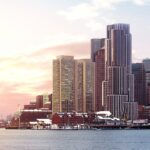
Opponents of a proposed downtown Boston tower cheered Mayor Michelle Wu’s decision to relaunch a contentious waterfront zoning process Wednesday, but the building’s developer warned that “immediate further cooperation” was needed to make sure the resulting plan was able to protect the city from floods.

The report “is the equivalent of NOAA sending a red flag up” about accelerating the rise in sea levels, an expert said.
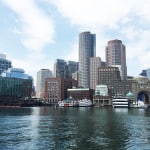
Rising sea levels are expected to bring new rules for new construction and retrofits to buildings in Boston’s flood-prone neighborhoods.

Increased tidal flooding washed away $273 million in real estate valuations along the Massachusetts coastline from 2005 to 2017, according to a study by Columbia University and the First Street Foundation. Yet the buyers keep coming.
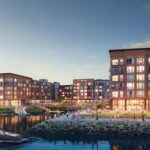
Resilient designs and skyline views are attracting the first wave of residents to the 478-unit Clippership Wharf condominium and apartment complex in East Boston.

Before they occupy their new buildings, global corporations such as Amazon, Wayfair and Boeing rely on Gaston Electrical to provide them with reliable connections to the grid. Michael Weber and his brother William split the leadership duties for the company, which has 275 employees.
Climate Ready Boston projects that by the year 2070 the temperature may reach 90 degrees Fahrenheit almost every day of the summer in eastern Massachusetts. The buildings and systems that we have created over the past 100 years were not designed to deal with such conditions.
While we have made some progress in reducing greenhouse gas emissions, more must be done across sectors to adapt and to prepare for the impacts of climate change. Fortunately, our most powerful elected officials are already rising to the occasion.
Some research suggests rising sea levels and flooding brought by global warming are harming coastal property values. But other climate scientists note shortcomings in the studies, and real estate experts say they simply haven’t seen any ebb in demand for coastal homes.

