





Why Beacon Hill’s Housing Moves Pass Boston By
Boston’s zoning independence sets it apart as lawmakers upzone the rest of the state. That means some of the state’s most impactful reforms haven’t occurred there, yet.
Boston’s zoning independence sets it apart as lawmakers upzone the rest of the state. That means some of the state’s most impactful reforms haven’t occurred there, yet.

Despite promises of a “bold” housing bill this year, with less than a month left to go, state legislators look like they’re going for singles and doubles, not home runs when it comes to the housing crisis.

Advocates for stronger state laws allowing more housing to be built got a boost Wednesday from the Healey administration, as Lt. Gov. Kim Driscoll told a crowd gathered in front of the State House that local communities have to step up and be part of the solution.
Many Greater Boston towns require huge lot sizes to build a single house. It’s helping destroy existing, modest homes, and stopping the construction of new ones.

A new poll suggests being pro-housing will be a winning strategy for Massachusetts state legislators this fall, but they’ll still face pressure from constituents to do more.
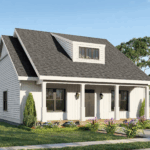
A statewide ballot question designed to spur construction of more affordable single-family starter homes enjoys overwhelming support, a new survey says.

One half of the duo that shepherded Cambridge’s citywide upzoning to passage in 2025 wants to bring a YIMBY message to Beacon Hill.
One parking space can add more than $200 to monthly rent. Bring down the cost of production and more dollars go to housing and fewer to parking.

Instead of waiting for the Legislature to create a committee that would study how to legalize single-stair multifamily buildings, Gov. Maura Healey moved to create the commission, herself.

Two of the state’s biggest housing advocacy organizations, CHAPA and Abundant Housing-MA, have thrown their weight behind a wide-ranging piece of legislation.
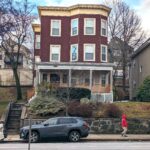
Boston is feeling one of the most pronounced housing crunches in the country. But Mayor Michelle Wu has shied away from setting housing production targets.

A new poll commissioned by a housing advocacy group says majorities of city residents don’t think Mayor Michelle Wu is doing enough to bring down the cost of housing.

Housing advocates say the design of Massachusetts’ highest-profile housing reform to date hobbled it from being able to create housing at scale – and might have hurt future moves.

One set of housing advocates wants voters to repeal the statewide ban on local rent control laws. Another wants to lift yet another big barrier to building moderately-priced homes.

Voters strongly support land use policy changes that would make multifamily development easier in Massachusetts, according to a statewide survey commissioned by Abundant Housing Massachusetts (AHMA).

Maybe not so surprisingly, growing displays of open defiance by a handful of towns opposed to the MBTA Communities law are making lawmakers at the State House a bit nervous.
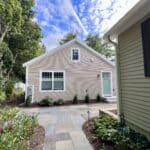
A quiet fight played out earlier this year over accessory dwelling units, also known as ADUs, in-law apartments or “granny flats.”

From new VPs to fresh project managers, see who’s been hired, promoted and honored: It’s our weekly Personnel File roundup.

From new VPs to fresh project managers, see who’s been hired, promoted and honored: It’s our weekly Personnel File roundup.
Around 4 in every 5 Greater Boston residents would support adding ADUs, duplexes and triplexes to their neighborhoods.

