




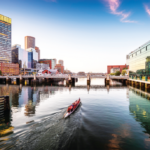
Can Boston Harbor Heat and Cool the Building Sector?
Landlords have been particularly anxious about Boston Mayor Michelle Wu’s aggressive push to rein in buildings’ carbon emissions. The harbor could be their savior.
Landlords have been particularly anxious about Boston Mayor Michelle Wu’s aggressive push to rein in buildings’ carbon emissions. The harbor could be their savior.

It’s a multi-billion-dollar question lingering over the city of Boston’s plans to protect neighborhoods from rising seas: who pays for the flood barriers?


Boston has fallen behind in addressing the climate crisis according to a new report that urges city leaders to expand electrification of small residential buildings and step up its coastal resiliency planning and funding agenda.

Boston officials have submitted plans to state officials for a $20.5-million flood barrier that would hold back Fort Point Channel waters from inundating portions of the Seaport District during coastal storms.
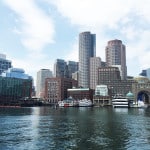
Rising sea levels are expected to bring new rules for new construction and retrofits to buildings in Boston’s flood-prone neighborhoods.

Protecting Boston’s vulnerable real estate from flood damage in coming decades could require creation of new districts to collect payments from property owners, and a new cabinet-level resiliency czar and department at city hall to oversee the defense strategy.
At last, Boston appears to have a plan to protect one of its most important assets from sea level rise with more than sandbags and hope.

