




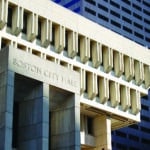
Council Backs Wu on Affordability Increase
Boston City Councilors backed an increase in income-restricted units in multifamily developments, a move that real estate industry groups predict will further discourage housing production.
Boston City Councilors backed an increase in income-restricted units in multifamily developments, a move that real estate industry groups predict will further discourage housing production.
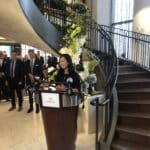
Back Bay’s newest luxury hotel delivers European flair while retaining a Boston accent reflected in its interior designs and dining offerings, its developers said at a grand opening ceremony earlier this week.

Boston’s mayor is finally keeping her pledge to rezone the city for more growth. But she’s up against forces her three predecessors couldn’t tame and some of her helpers may lack local knowledge.

Two development teams will deliver pitches this month to build up to 757 apartments and condominiums on a Charlestown parcel spotlighted in Boston Mayor Michelle Wu’s push to create affordable housing on city-owned properties.
Boston Mayor Michelle Wu may be on vacation this week, but she still made a splash in city development politics by announcing she was replacing two members of the board controlling the Boston Planning & Development Agency, an entity she’s sought to dismantle.

Owners of downtown Boston office buildings will get a chance to receive tax breaks for residential conversions, provided that the projects meet the city’s affordability and clean energy goals.

Construction and demolition projects in Boston will be required to include more safety training under a new ordinance signed Thursday by Mayor Michelle Wu that gives city inspectors additional enforcement powers.

Developers say Boston’s newest version of a plan to increase affordability requirements will virtually halt housing development thanks to tough financing conditions.

Sunday shoppers will have more than double the room to stroll, dine and enjoy Boston’s iconic Newbury Street retail strip every week this summer as the popular program returns for its latest year.
Late last month, members of the Boston City Council chose once again to vilify the people who are working to build and maintain housing for the many Boston residents who need it.

Before it imposes new requirements, the Boston Planning & Development Agency is asking developers for examples of successful strategies to meet Mayor Michelle Wu’s three-legged reform platform of resiliency, affordability and equity.
Boston Mayor Michelle Wu scored big victories on two of her signature campaign pledges Wednesday. But both proposals must now run the gauntlet on Beacon Hill before they can become law.

If Boston is going to be able to meet the challenges of the moment, its body overseeing development needs a new charter, Boston Planning & Development Agency officials argued to city councilors Monday.

Boston Mayor Michelle Wu pushed back Monday as resistance to her rent control plan picks up, arguing that what she has proposed is different from rent control policies of years past and describing some of the opposition as “fearmongering.”

What does Boston Mayor Michelle Wu’s decision to ban outdoor dining in the North End have to do with her increasingly controversial real estate policies? More than you might think.
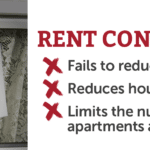
The oldest real estate trade organization in Boston has mobilized against Boston Mayor Michelle Wu’s proposal to cap the rate of rent increases in the city.
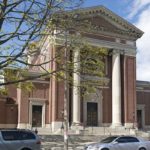
Developers will receive $67 million to build and preserve 802 units of income-restricted housing in Boston, including the conversion of a vacant Jamaica Plain church into affordable apartments.

After 15 months in office, Boston Mayor Michelle Wu on Monday finally unveiled a proposal to cap rent increases across the city at a maximum of 10 percent in high-inflation years, filing a multi-faceted rent control revival measure that will first go before the Boston City Council.
Mayor Michelle Wu’s priorities are largely aligned with those of the business community: better schools, faster transportation and less expensive housing. But delivering on those priorities requires significant change.
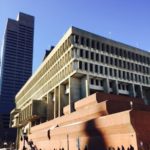
Boston Mayor Michelle Wu named an advisory team ranging from affordable housing activists and labor union representatives to commercial developers to revamp the city’s real estate permitting process.

